Dust Test Chambers in E-Scooter Testing
Author:LINPIN Update Time:2026-01-09 Source:LINPINAs electric scooters become increasingly common, users are demanding higher standards for durability, safety, and environmental adaptability. Faced with complex usage scenarios like dust, rain, and bumpy roads, how can manufacturers ensure the long-term stable performance of a vehicle's core components? The dust test chamber, a crucial piece of equipment for reliability testing, is now an indispensable part of quality control in e-scooter production.
Simulating Harsh Environments to Meet Real-World Challenges
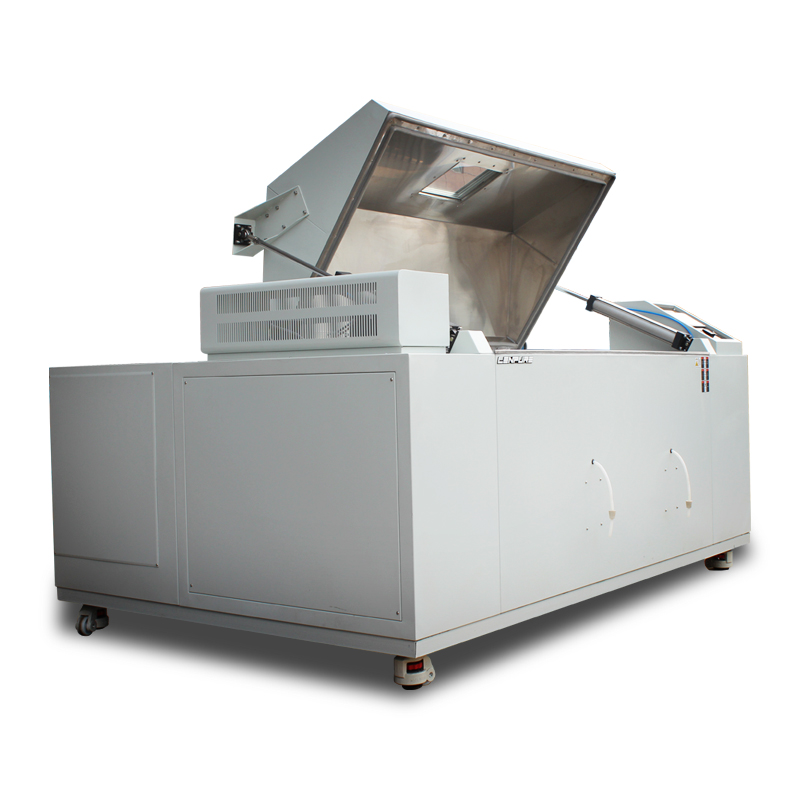
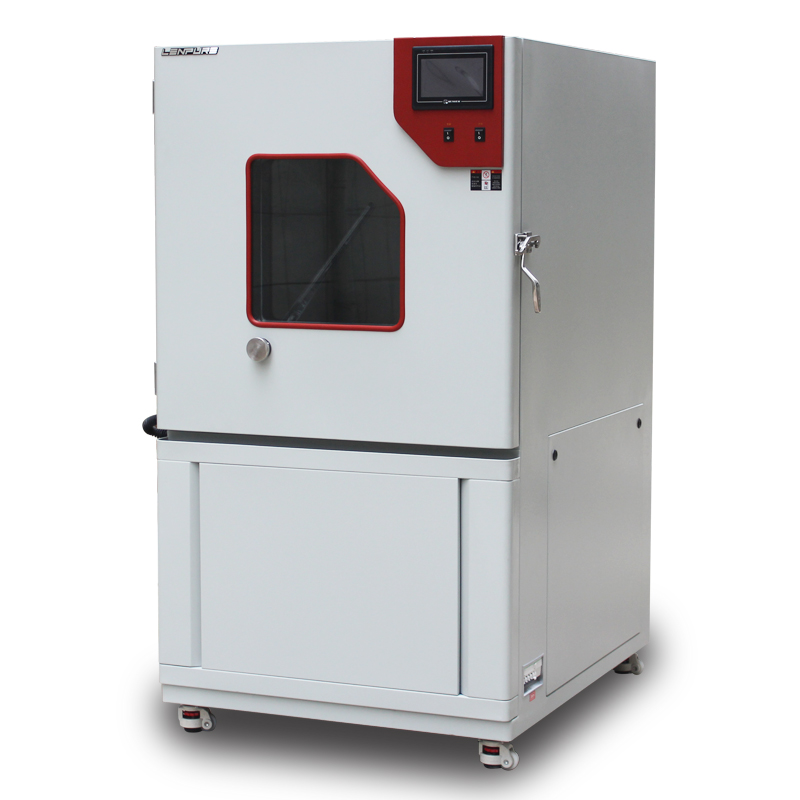
E-scooters often navigate city streets, park paths, or suburban roads, where they inevitably encounter blowing dust and sand ingress. If key components like the motor, battery, and controller lack sufficient sealing, the accumulation of fine particles can lead to short circuits, component wear, or even failure. Dust test chambers simulate sandy and dusty environments with varying particle sizes, concentrations, and airflow intensities. By subjecting complete vehicles or individual parts to accelerated aging tests lasting from several hours to hundreds of hours, these chambers precisely reveal design flaws, providing critical data to improve sealing structures.
Enhancing Product Resilience and Ensuring User Safety
Consider the case of a well-known e-scooter brand. During the R&D phase for a new model, they conducted multiple rounds of testing using a dust test chamber. The tests revealed that the battery compartment seal was prone to deformation under prolonged dust exposure. Based on these findings, the engineering team optimized the material composition and added a protective dust cover, ultimately raising the ingress protection rating from IP54 to IP67. Post-launch user feedback indicated a more than 40% reduction in failure rates for scooters used in sandy, windy regions, clearly validating the effectiveness of this testing.
From Lab to Market: Building a Chain of Quality Trust
Dust testing is not only a mandatory requirement of industry standards but also a demonstration of a company's proactive commitment to quality. By quantitatively assessing the dust resistance of components, companies can pinpoint weaknesses in the supply chain and reduce after-sales repair costs. Furthermore, the test data serves as powerful evidence in product marketing, strengthening consumer confidence in the brand's claims regarding weather resistance and safety.
The competitive landscape for e-scooters has expanded beyond range and speed to include all-scenario reliability. Acting as a quality "gatekeeper," the dust test chamber uses scientific simulations of extreme environments to drive improvements in product resilience right from the design stage. Only models that can truly withstand the test of dust and sand will navigate the competitive market successfully and deliver long-term value to users.