Low-Pressure Test Chambers: Reliability Testing for Automotive Electronics (ECUs) in High-Altitude Environments
Author:LINPIN Update Time:2025-12-27 Source:LINPINThe automotive industry is undergoing rapid technological advancement. As the core component enabling vehicle intelligence, the Electronic Control Unit (ECU) faces increasingly complex environmental challenges. The low-pressure conditions found at high altitudes place greater demands on ECU performance, reliability, and safety. To address this, low-pressure test chambers have emerged as essential tools for evaluating automotive electronics under extreme conditions.
Impact of High-Altitude Environments on ECUs
At high altitudes, thin air and reduced atmospheric pressure not only affect engine performance but also impact the operational state of electrical systems and electronic components. Low pressure can hinder internal gas flow within the ECU, reducing heat dissipation efficiency and consequently affecting its operational stability. Furthermore, low pressure can lead to issues such as gaseous insulation breakdown in circuits, voltage drops, and increased electrical noise. Therefore, conducting low-pressure testing on ECUs is a necessary measure to ensure proper vehicle operation in high-altitude regions.
How Low-Pressure Test Chambers Work
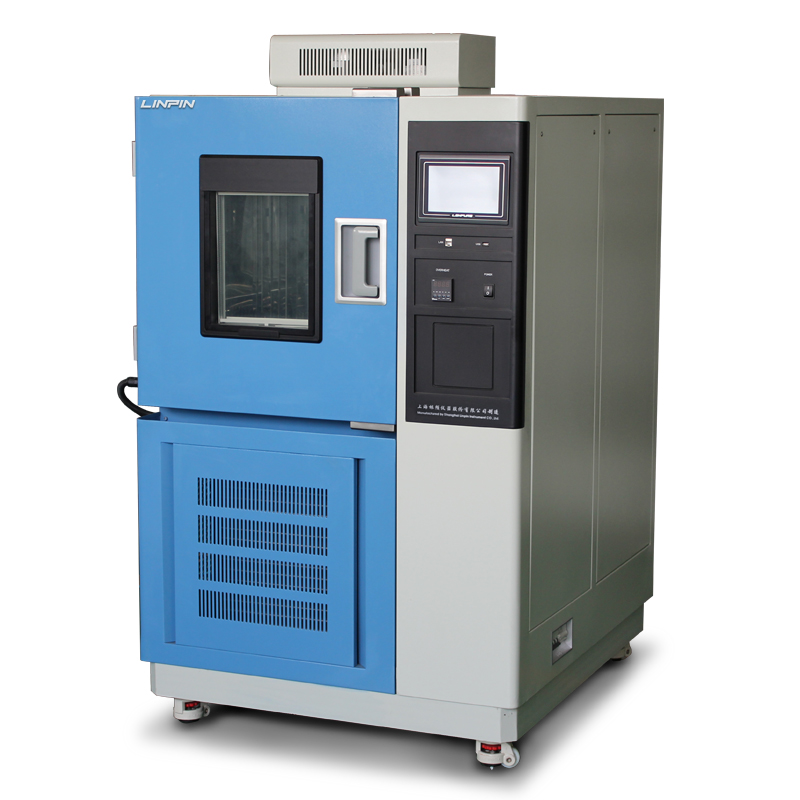
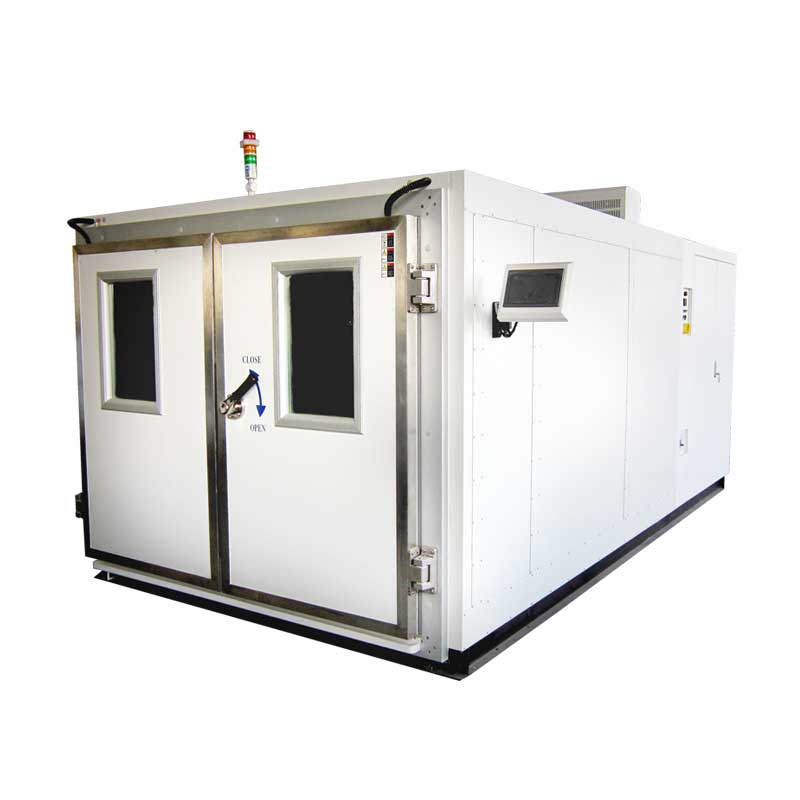
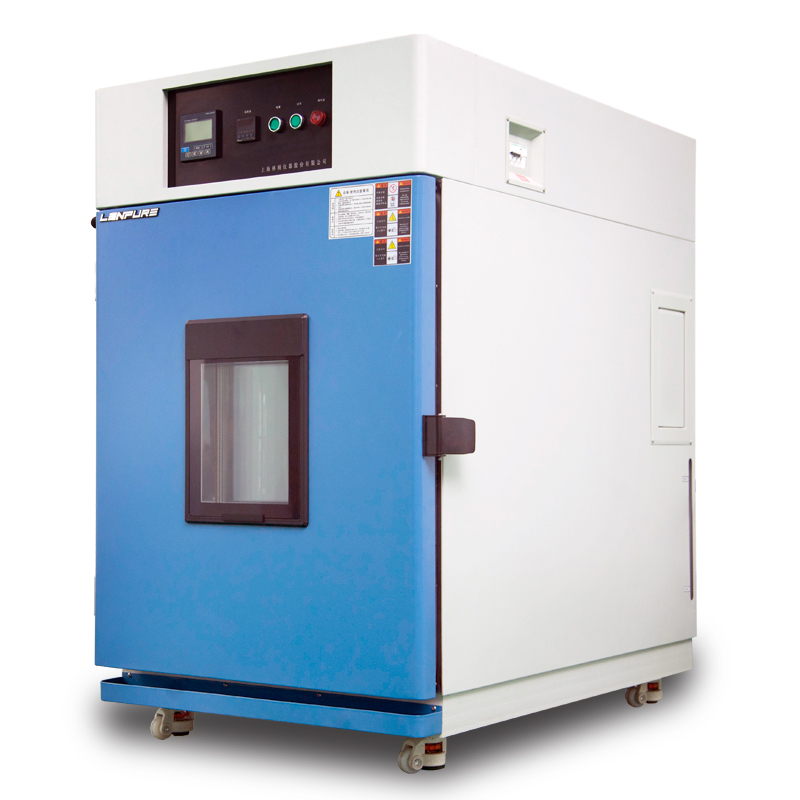
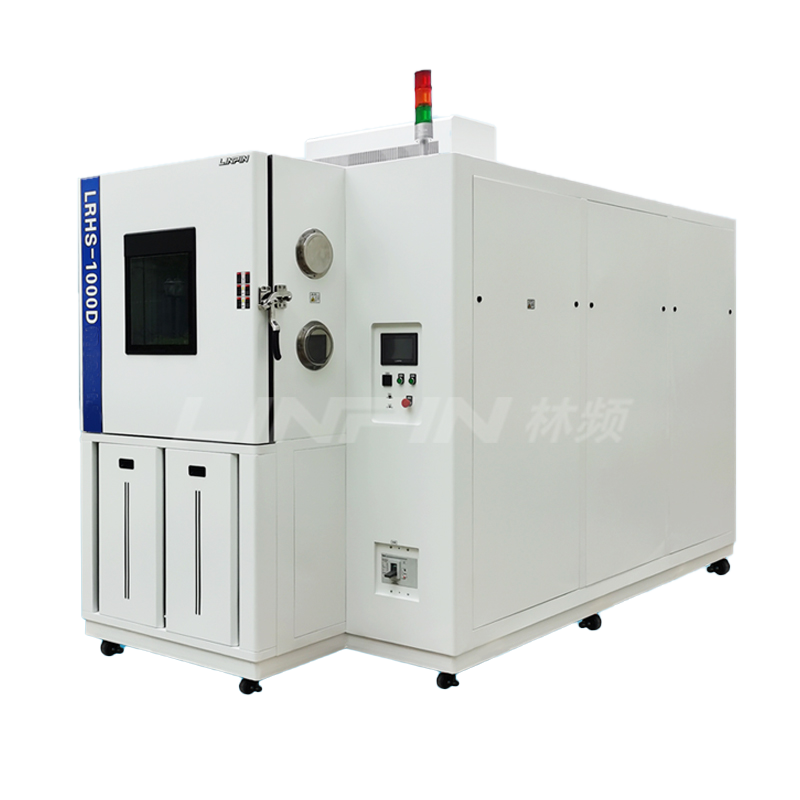
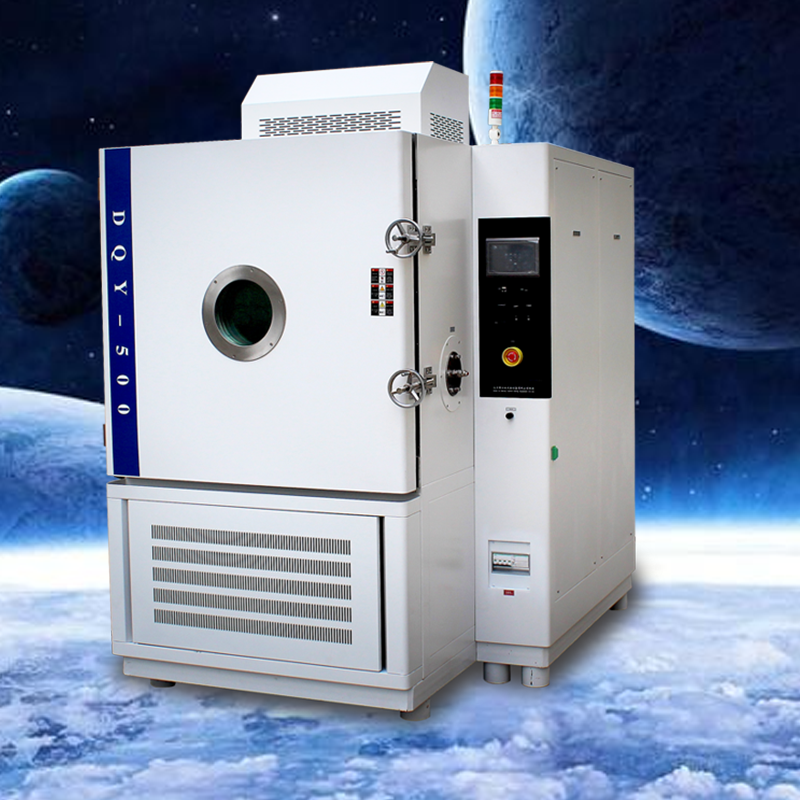
A low-pressure test chamber simulates the low-pressure conditions of high-altitude environments, providing a controlled setting for ECU testing. This equipment can precisely regulate pressure, temperature, and humidity to replicate various real-world conditions encountered at different altitudes. During testing, engineers can perform functional tests, electrical performance evaluations, and long-term stability assessments to ensure ECU reliability under extreme conditions.
The Importance of Reliability Testing
Through low-pressure testing, automotive manufacturers and R&D institutions can proactively identify potential design flaws and performance bottlenecks, ensuring ECU stability and safety during high-altitude operation. This proactive approach not only helps reduce costs associated with later-stage fixes and recalls but also enhances consumer trust in the brand. Additionally, reliability testing lays the groundwork for product compliance certification, facilitating market entry into high-altitude regions.
Selecting the Right Low-Pressure Test Chamber
When selecting a low-pressure test chamber, companies should consider the following key aspects:
- Technical Specifications: Ensure parameters like maximum pressure drop, temperature control range, and humidity control capabilities meet testing requirements.
- Stability and Repeatability: The equipment must provide consistent and reliable test results.
- Manufacturer Support: The quality of technical support and after-sales service is crucial for long-term operation and maintenance.
The low-pressure test chamber is a vital instrument for verifying the reliability of automotive electronics (ECUs) in high-altitude environments. By conducting scientific and rigorous low-pressure testing, companies can enhance product competitiveness while effectively ensuring user safety and driving experience. As market demands for automotive intelligence continue to grow, low-pressure testing will become an indispensable part of automotive R&D, providing strong support for the industry's sustainable development.