Ozone Aging Test Chambers: Are They Widely Used in Luminaire Product Testing?
Author:LINPIN Update Time:2026-03-14 Source:LINPINIn the luminaire manufacturing industry, product quality and durability are key to winning market share. As applications continue to expand—from indoor lighting to outdoor landscapes, and from industrial plants to transportation facilities—luminaire products face increasingly complex environmental challenges. Among these, the potential aging effect of ozone on luminaire materials, especially components like rubber seals and plastic housings, has become an issue the industry cannot ignore. Ozone aging test chambers are specialized equipment designed to address this challenge, and their application in luminaire product testing is becoming increasingly widespread and in-depth.
Why is Ozone Aging Testing Crucial for Luminaires?
Ozone is a highly oxidizing gas present in the atmosphere, with concentrations potentially higher in industrial areas, traffic hubs, and similar locations. Prolonged exposure to ozone can cause polymeric materials in luminaires to crack, harden, lose elasticity, and more. This may lead to seal failure, reduced insulation performance, and even potential safety hazards. For instance, if the sealing material of an outdoor streetlight degrades due to ozone aging, the ingress of rainwater and dust can directly compromise the luminaire's lifespan and safety.
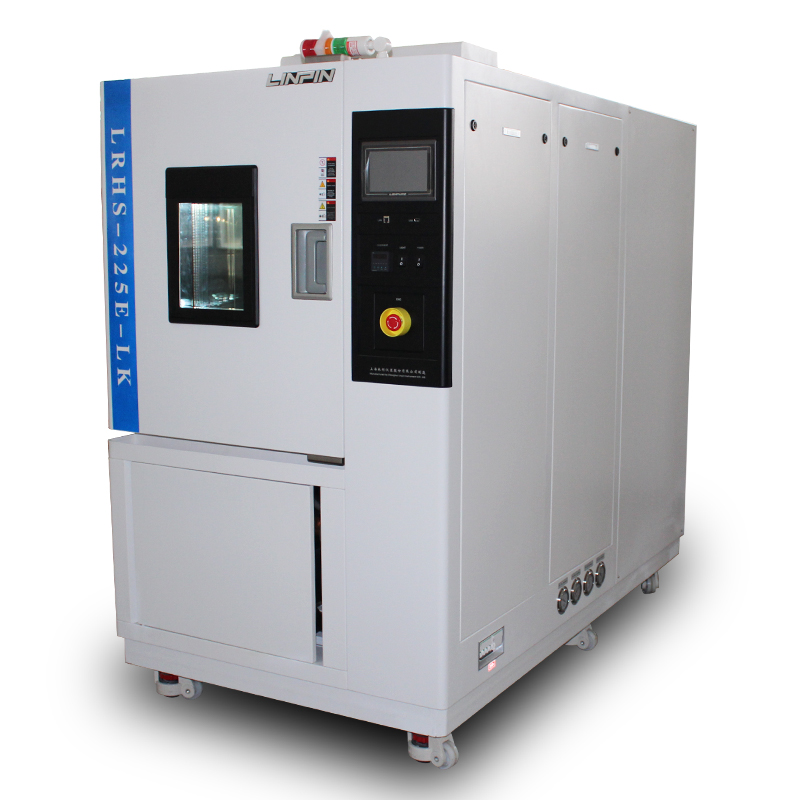
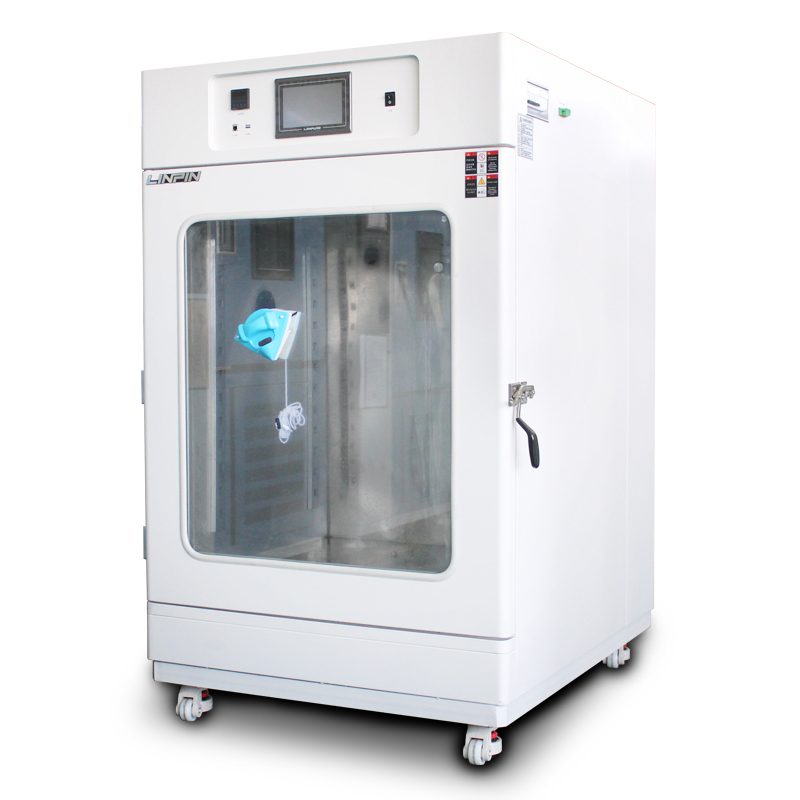
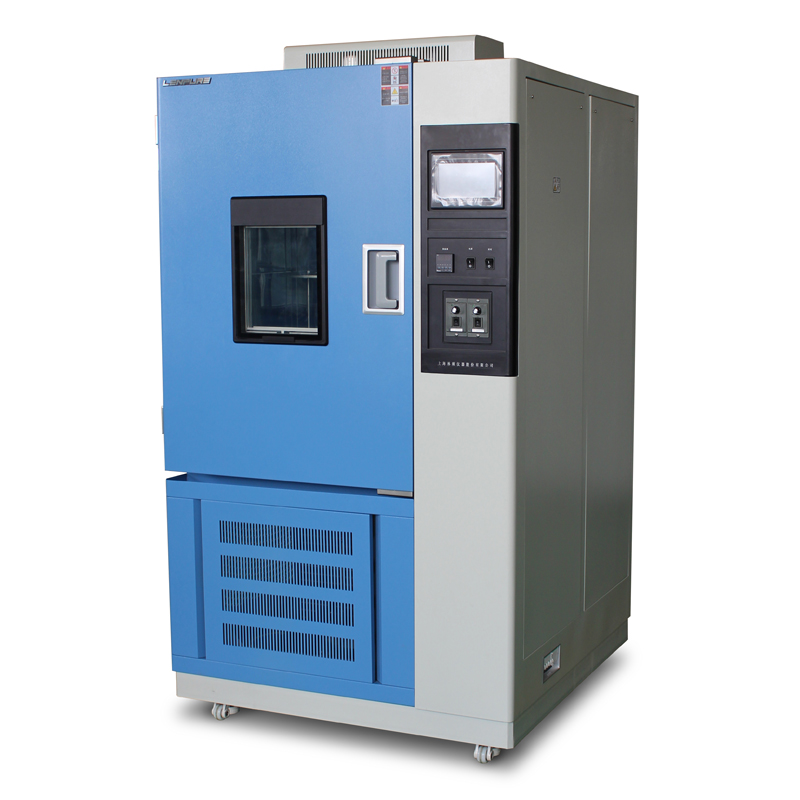
Using an ozone aging test chamber, manufacturers can simulate harsh ozone conditions in a laboratory setting. This accelerates the material aging process, allowing for a rapid assessment of the ozone resistance of luminaire components. This testing is instrumental not only in qualifying suitable materials but also in enhancing the product's environmental resilience and extending its service life right from the design phase.
Widespread Application: From Compliance to Quality Enhancement
Currently, various international and national luminaire standards explicitly require ozone aging resistance testing for non-metallic materials like rubber and plastics. Consequently, ozone aging test chambers have become essential equipment for testing laboratories, manufacturing plants, and R&D centers. Their applications span multiple stages:
- R&D Phase: Optimizing material formulations to ensure new products meet durability requirements.
- Incoming Inspection: Verifying the quality of components such as seals and housings supplied by vendors.
- Type Testing: Comprehensively validating whether finished luminaires comply with industry standards (e.g., relevant UL, IEC standards).
- Quality Comparison: Using accelerated aging data to compare the durability of different design solutions.
Both traditional lighting manufacturers and emerging LED luminaire producers have integrated ozone aging testing into their core quality control systems. This trend underscores the industry's high priority on product reliability.
As the luminaire industry moves towards higher standards and quality-driven development, the ozone aging test chamber is no longer an optional tool but a vital one for ensuring long-term product stability. Focusing on rigorous testing and unwavering quality is fundamental to earning enduring customer trust.