Interpretation of UV Aging Test Chamber Standards for Medical Implant Materials
Author:LINPIN Update Time:2026-02-12 Source:LINPINIn the medical field, the long-term safety and stability of medical implant materials—such as artificial joints, bone plates, cardiovascular stents, and dental implants—are directly linked to patient health and well-being. These materials must withstand the challenges of the complex in vivo environment for years or even decades. Simulating potential photoaging (specifically from ultraviolet radiation) that materials might encounter in real-world scenarios is a critical step in assessing their durability. UV aging test chambers and the associated testing standards for medical implant materials are fundamental tools for ensuring material reliability and supporting regulatory compliance for market approval.
1. Why UV Aging Testing is Crucial for Medical Implant Materials
Although implants primarily reside inside the body, they can be exposed to natural or artificial light sources (like surgical lamps) during sterilization, transportation, storage, and even surgical preparation. UV radiation can cause molecular chain scission, oxidation, or surface degradation in polymer materials (e.g., polyethylene, silicone rubber, biodegradable materials). This may lead to decreased mechanical properties, leaching of harmful substances, or biocompatibility issues. Consequently, accelerated UV aging testing helps predict material performance changes over their lifecycle, mitigating potential clinical risks at the source.

2. Interpretation of Core Testing Standards: From International to National Regulations
Currently, widely referenced standards for photoaging testing of medical materials include ISO 4892 (Plastics — Methods of exposure to laboratory light sources), ASTM G154/G155 (Standard Practice for Operating Fluorescent Ultraviolet Lamp Apparatus for UV Exposure of Non-Metallic Materials), and GB/T 16422 (Chinese National Standard). While not exclusively designed for implants, these standards, when scientifically adapted and aligned with clinical needs, serve as authoritative references for evaluating UV resistance.
-
Testing Principles and Equipment Requirements
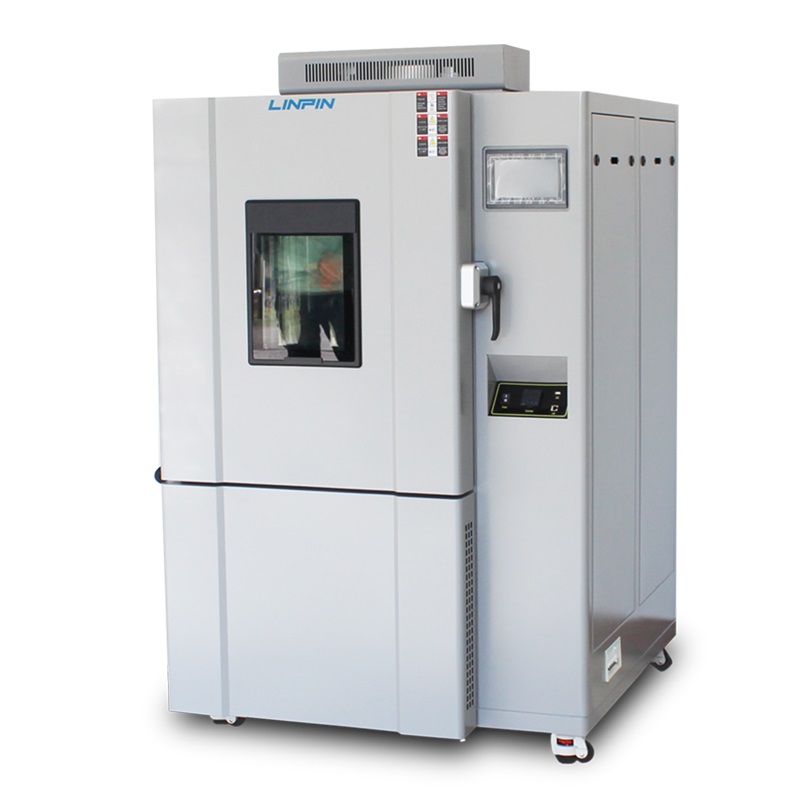
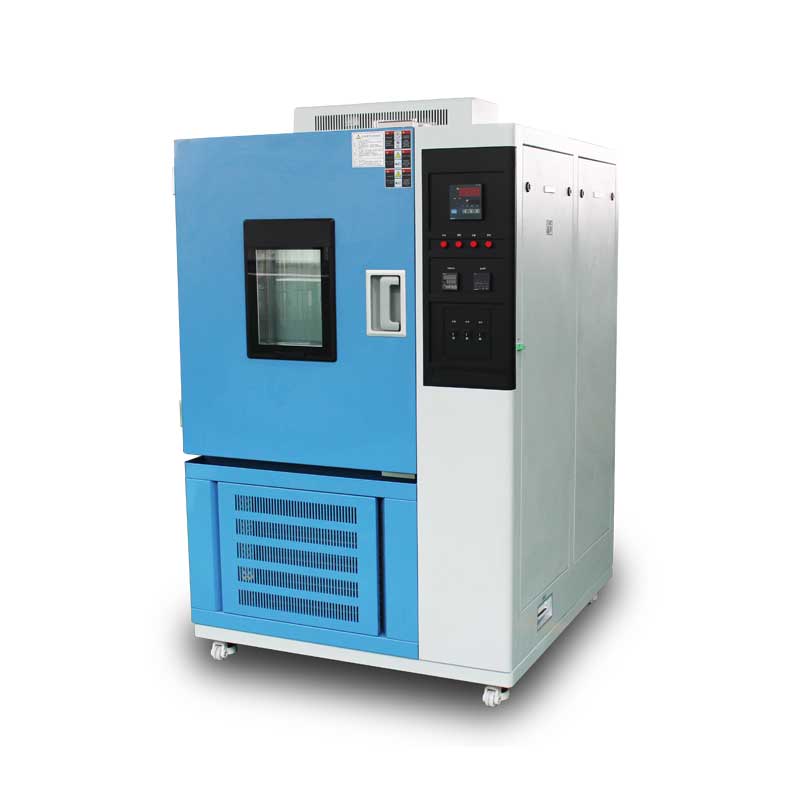
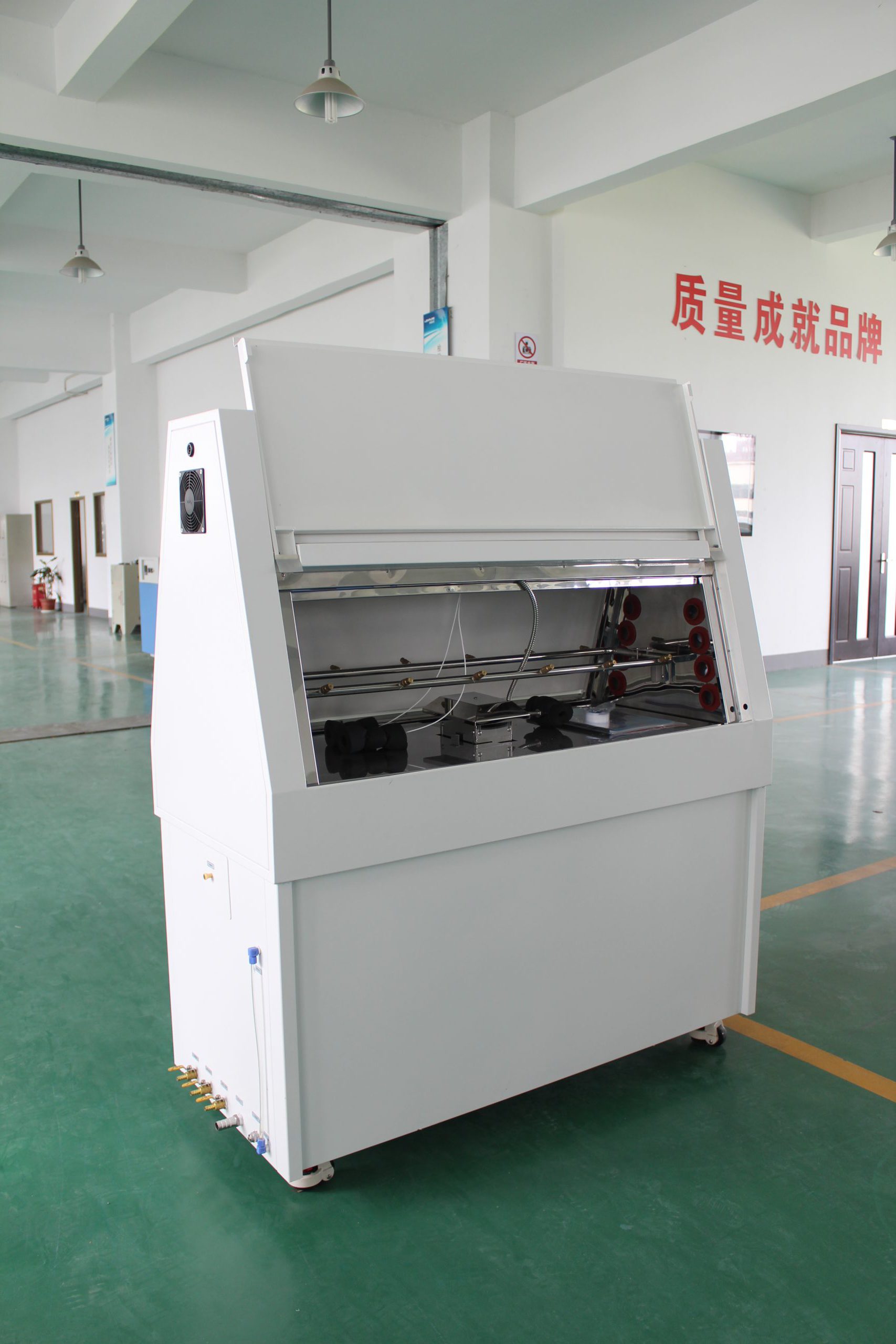
UV aging test chambers must simulate the ultraviolet region of the solar spectrum (e.g., UVA-340 lamps for the 295-365 nm range). By controlling irradiance, temperature, humidity, and spray cycles, they accelerate the aging process. Standards require equipment to provide uniform light distribution, stable temperature/humidity control, and traceable calibration capabilities to ensure test result repeatability and comparability. -
Key Parameter Settings and Clinical Relevance
-
- Irradiance and Duration: Acceleration factors are set based on the material's intended exposure scenario (e.g., duration of outdoor transport, operating room exposure time), such as extending UV exposure to simulate years of natural aging.
- Temperature and Humidity Cycles: These simulate the combined effects of thermal stress and hydrolytic degradation due to diurnal or seasonal variations.
- Performance Evaluation Metrics: Post-testing, materials must be evaluated for mechanical properties (tensile strength, elastic modulus), chemical structure (via FTIR analysis), surface morphology (via SEM), and biocompatibility to ensure they still comply with standards like YY/T 0287 (Quality Management Systems for Medical Devices) and ISO 10993 (Biological Evaluation of Medical Devices) after aging.
-
3. The Value of Testing: Support Across the Development-to-Regulation Chain
- R&D Optimization: Aging data provides feedback for refining material formulations or manufacturing processes, enhancing product durability.
- Quality Control: Serves as part of final product inspection, ensuring batch-to-batch consistency and reducing clinical application risks.
- Regulatory Compliance: Meets the technical review requirements for durability assessment from regulatory bodies like the NMPA (China), US FDA, and others, facilitating faster market entry for products.
4. Key Considerations for Selecting Professional Testing Services
Reliable UV aging testing depends on standards-compliant equipment, an experienced technical team, and laboratory accreditation (e.g., CNAS/CMA). A qualified partner should offer comprehensive support—from standard interpretation and customized testing protocols to detailed reporting—and possess the capability to address specific requirements for medical materials, such as simulating sterile conditions or analyzing trace degradation products.
UV aging testing for medical implant materials is far more than simple "light exposure." It is a systematic evaluation process grounded in rigorous standards and directly linked to clinical risks. A deep understanding of these standards, coupled with selecting authoritative testing resources, reflects a company's technical competence and signifies a long-term commitment to patient safety. Only materials validated through scientific testing can reliably safeguard health over time.