How to Select Temperature Chamber Specifications Based on Testing Standards
Author:LINPIN Update Time:2026-02-06 Source:LINPINIn modern industry and scientific research, temperature chambers are essential testing equipment widely used in R&D and quality control across sectors such as electronics, electrical appliances, and materials. Choosing the right specifications for a temperature chamber not only enhances testing accuracy and reliability but also plays a vital role in ensuring product quality. Below is a detailed guide on how to select temperature chamber specifications based on testing standards.
- Understand the Testing Standards
The first step in selecting a temperature chamber is to clearly identify the testing standards you need to follow. These standards may come from industry regulations, customer requirements, or international norms. Common standards include:
- IEC 60068: Environmental testing standards for electronic equipment and components.
- MIL-STD-810: Environmental testing standards for military equipment.
- ISO 9001: Quality management system standards related to product consistency and reliability.

Understanding the applicable standards will provide a solid foundation for selecting the appropriate temperature chamber.
- Determine the Temperature Range
Since the primary function of a temperature chamber is to simulate high and low-temperature environments, the temperature range is a key selection criterion. Consider the following:
- Temperature tolerance of the test samples: Choose a chamber that can meet the extreme temperature conditions under which the samples will operate.
- Frequency and duration of testing: If frequent temperature cycling is required, consider a chamber with a faster temperature change rate to improve efficiency.
- Consider Humidity Control
Many testing standards involve not only temperature variations but also the effects of humidity on material performance. When selecting a temperature chamber, consider:
- Humidity range: Ensure the chamber can achieve and maintain the required relative humidity levels. Some tests require prolonged exposure to specific humidity conditions.
- Humidity control accuracy: High-precision humidity control ensures reliable test results.
- Evaluate Chamber Size and Capacity
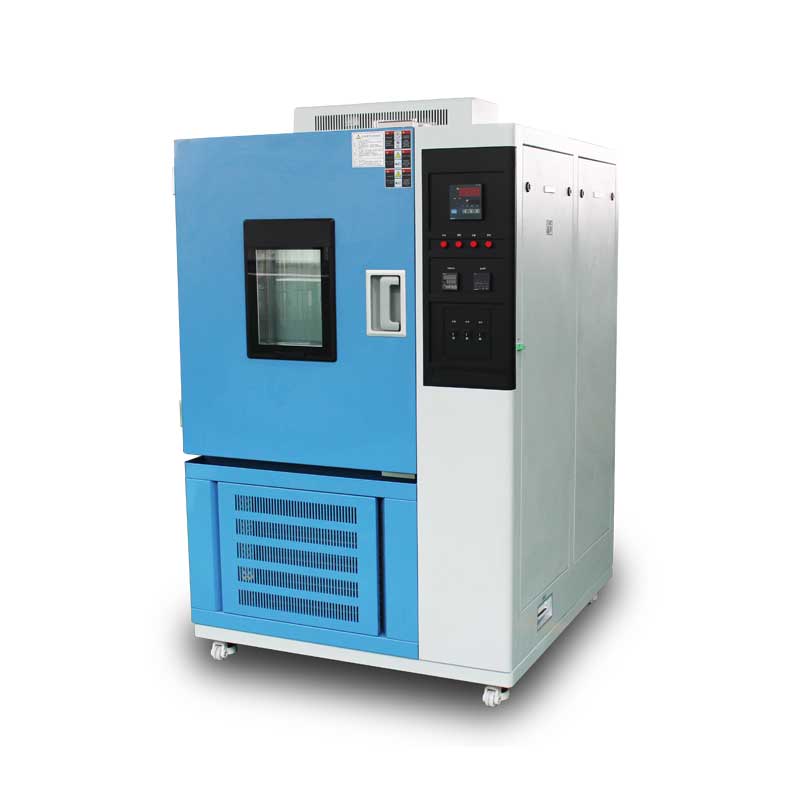
The size and internal volume of the chamber can impact test outcomes. Keep the following in mind:
- Sample size and quantity: Ensure the chamber can accommodate all test samples with sufficient space to avoid interference between them.
- Laboratory space constraints: Choose a chamber size that fits within your lab’s available space while allowing easy operation and maintenance.
- Brand Reputation and After-Sales Support
Temperature chambers are precision instruments, so reliability and quality of after-sales service are crucial:
- Brand reputation: Opting for reputable brands often ensures better product quality and technical support.
- After-sales service: Good support, including maintenance, calibration, and technical consultation, is essential for long-term use.
- Technical Specifications and Cost-Effectiveness
After identifying your testing requirements, evaluate key technical parameters such as cooling capacity, heating rate, and temperature uniformity. Also, consider the balance between investment cost and performance to choose a cost-effective solution that meets your testing needs.
By considering these factors, you can make a well-informed decision when selecting a temperature chamber, ensuring accurate and reliable test results that support product quality and R&D efforts. It is also advisable to maintain close communication with suppliers to gather detailed information and professional recommendations.