The Role of Salt Spray Test Chambers in Predicting Electronic Component Lifespan
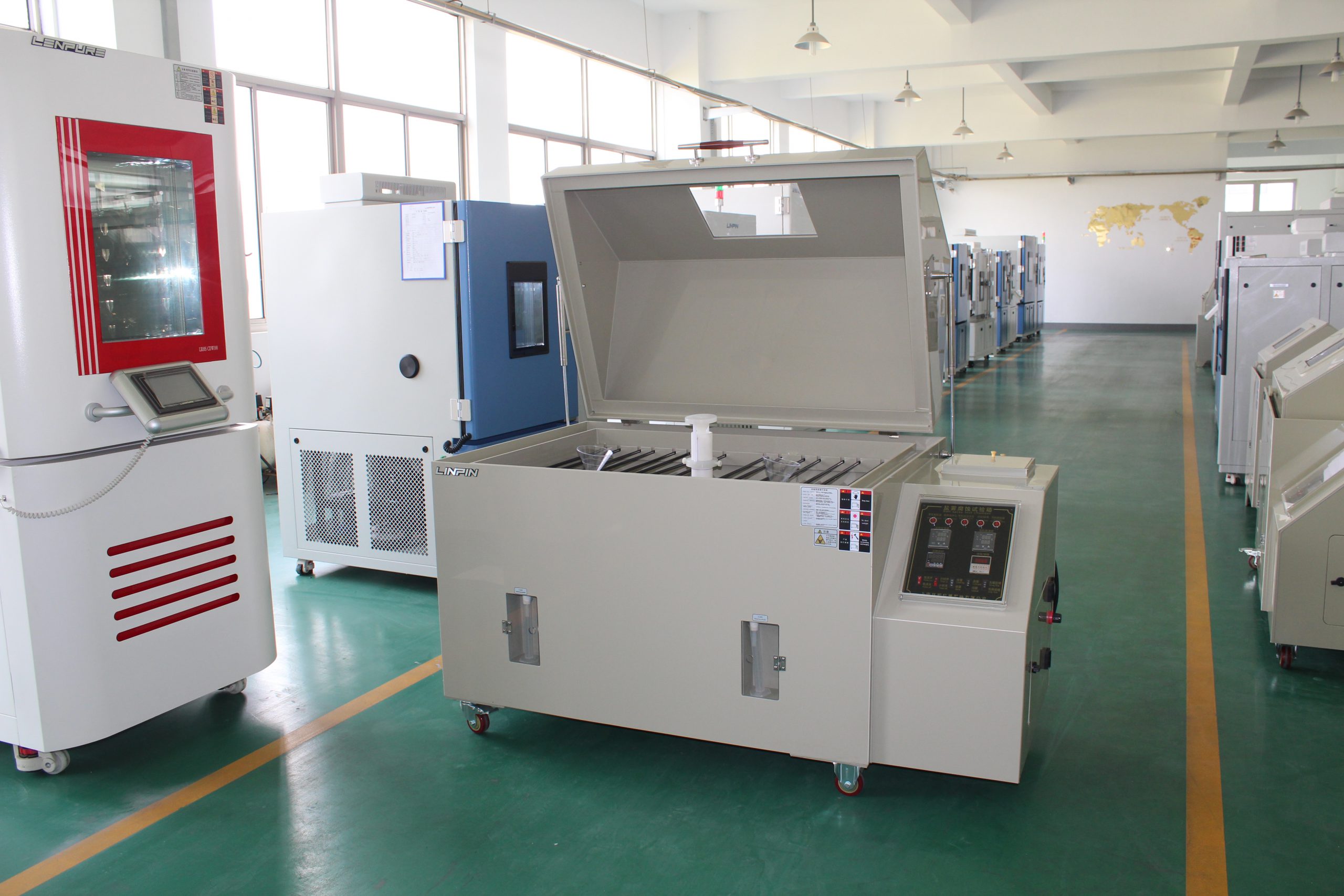
Author:LINPIN Update Time:2026-03-21 Source:LINPINIn the electronics manufacturing industry, product reliability is a key determinant of market competitiveness. Whether electronic components can operate stably over the long term in harsh environments is a major concern for both manufacturers and users. As a mature environmental simulation equipment, the salt spray test chamber has become an authoritative tool for assessing the corrosion resistance of electronic components and predicting their service life.
Why is Predicting Electronic Component Lifespan Critical?
Electronic devices are widely used in environments with high humidity and salt content, such as marine, industrial, and automotive settings. If components lack sufficient corrosion resistance, it can lead to short circuits, performance degradation, or even failure, resulting in safety hazards and economic losses. Simulating accelerated aging in a laboratory to identify potential defects early has become essential for enhancing product reliability.

How Do Salt Spray Test Chambers Scientifically Predict Lifespan?
Salt spray test chambers simulate a salt-laden atmosphere to conduct accelerated corrosion testing on electronic components. Their core value lies in:
- Accelerated Defect Exposure: Under controlled conditions, high-concentration salt spray simulates months or years of natural corrosion in a short period, quickly revealing material flaws, coating weaknesses, or sealing failures in components.
- Quantifying Corrosion Resistance Metrics: By recording the time until performance degradation or failure occurs, and combining this with corrosion rate models, the expected lifespan of the component in real-world environments can be estimated.
- Optimizing Design and Material Selection: Test data provides empirical evidence for improving component design and selecting protective coatings, enhancing product durability from the outset.
How is Authority and Reliability Ensured?
Salt spray test chambers adhere to international standards (e.g., ISO 9227, ASTM B117), ensuring consistent test conditions and comparable results. Rigorous testing procedures—including pre-treatment, continuous spraying, and periodic evaluation—ensure high repeatability and reference value of the data. Furthermore, modern salt spray chambers integrate features like temperature/humidity control and pH monitoring, further enhancing data accuracy.
Value Demonstration in Practical Applications
Many leading electronics manufacturers have incorporated salt spray testing into their quality control systems. For instance, an automotive electronics company increased the Mean Time Between Failures (MTBF) of its components by 30% through regular salt spray testing of sampled circuit boards. A communications equipment supplier in coastal areas optimized housing sealing techniques based on test results, significantly reducing field failure rates.
The salt spray test chamber is more than just a quality inspection tool; it is a bridge connecting R&D and real-world performance. It replaces subjective guesswork with scientific data, making lifespan prediction evidence-based and providing solid support for companies to reduce post-sales risks and enhance brand reputation. In today's rapidly advancing electronics landscape, investing in reliable salt spray testing capability is an investment in the future of your products.