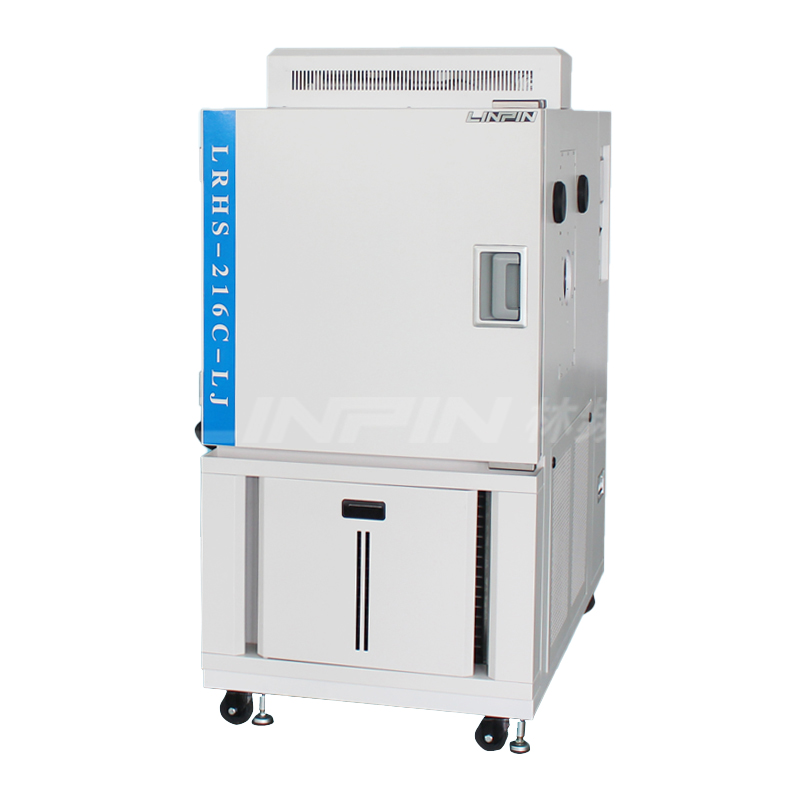
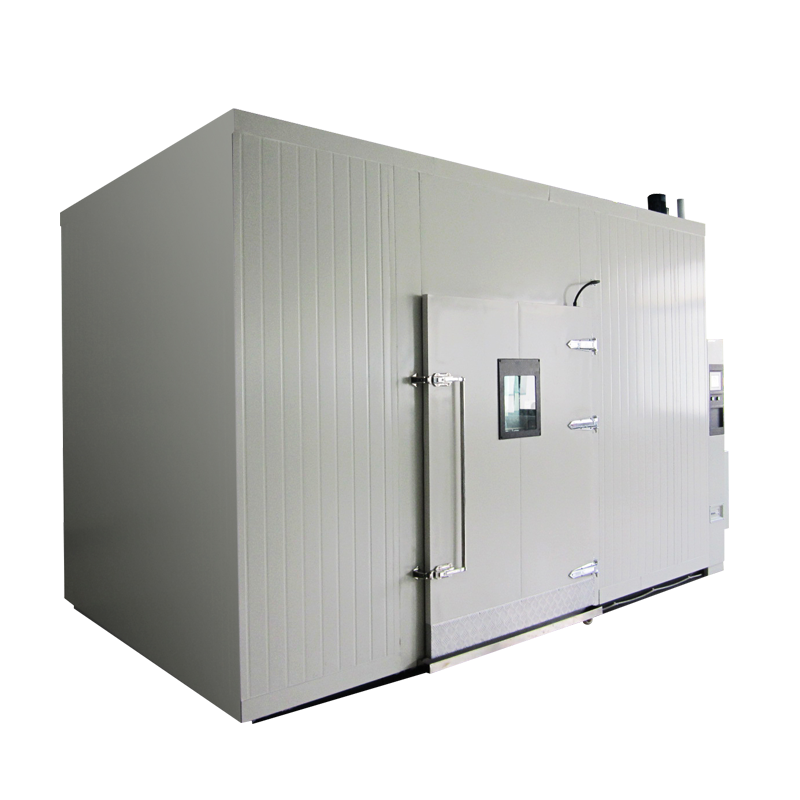
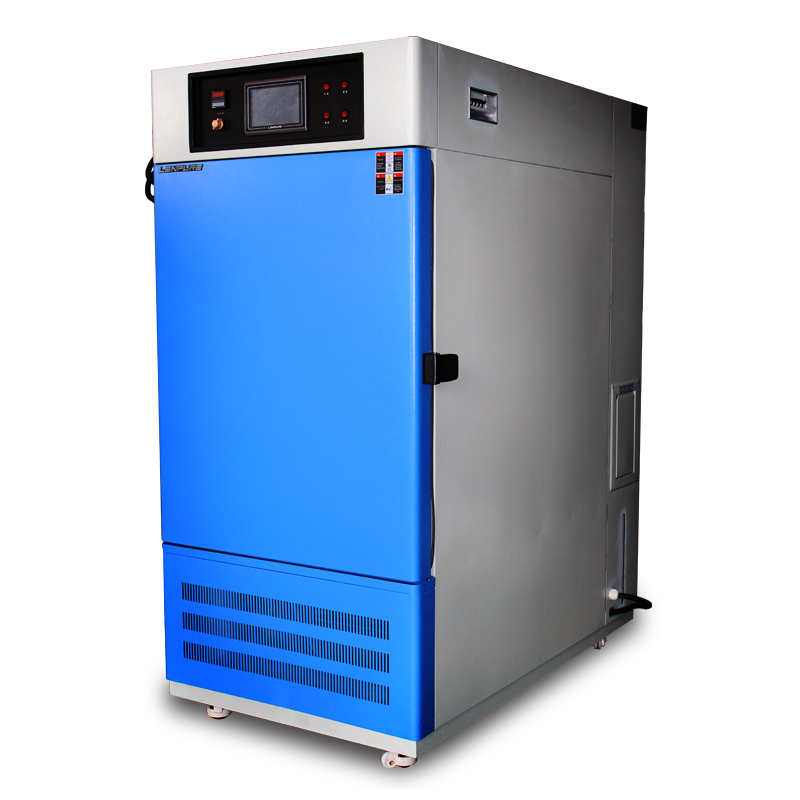
Why Do Companies Conduct Rapid Temperature Cycling Chamber Tests? The Real Value for R&D and Quality
Author:LINPIN Update Time:2026-09-24 Source:LINPINIn today's world of highly homogenized products, why do some brands stand the test of time and build lasting reputations, while others fade as quickly as they appear? The answer often lies in the "crucible" a product must endure before it is born—a rigorous proving ground known as the rapid temperature cycling chamber.
This is far more than simple "quality inspection." It is an extreme challenge that simulates the sudden, brutal climate shifts a product might face in the real world. It doesn't ask "Does the product work at room temperature?" It asks: "When the environment changes drastically, how strong is the product's immune system?"
I. For R&D: Not Fault-Finding, but a Core Tool for Foresight
During the R&D phase, the rapid temperature cycling chamber is the engineer's sharpest set of eyes. Through rapid heating and cooling (for example, temperature changes of 5°C, 10°C, or even 15°C per minute), it precisely exposes a product's design vulnerabilities.
Uncovering latent defects before the market does: A tiny chip, a solder joint, a seam between two dissimilar materials—these coexist peacefully under stable conditions. But under rapid "fire and ice" cycling, they generate internal stress due to differing coefficients of thermal expansion, leading to cracking, cold solder joints, and performance drift. The chamber makes these problems surface in the lab rather than in the customer's hands. This provides the most direct physical evidence for design optimization, turning "possible" failure into a "certain" foundation for success.

Accelerating product maturity and shortening time-to-market: Traditional burn-in testing takes far too long. Rapid temperature cycling is a time machine—it simulates and accelerates months or even years of wear in just days or hours. This allows R&D teams to iterate quickly, let data drive decisions, and dramatically shorten the journey from blueprint to mature product.
Core value: It shifts R&D from "theoretical speculation" to "empirical innovation"—the cornerstone of a company's technical foresight and reliability.
II. For Quality: Building an Impregnable Defense for Market Reputation
For quality control, the rapid temperature cycling chamber is the "steel Great Wall" that guards brand reputation.
Exceeding national standards, defining a higher quality benchmark: Many international standards (such as ISO 16750 for automotive electronics and GJB 150 for military applications) impose strict requirements on thermal shock. Voluntarily conducting rapid temperature cycling tests means a company is not content with the industry's minimum threshold but is proactively striving toward a higher peak of excellence and reliability. This is the most powerful commitment to customers.
Eliminating "seasonal" quality crises: Can your product be taken from an air-conditioned room into direct summer sun and still function? Can it be brought from freezing outdoor temperatures into a warm indoor space and work immediately? These real-world scenarios are exactly what rapid temperature cycling tests simulate. Through testing, companies can effectively prevent batch quality incidents caused by seasonal changes and regional climate differences, protecting the brand from severe damage.
Earning a "passport" to high-end markets: In automotive, aerospace, advanced communications, precision medical, and other sectors, passing rigorous environmental reliability testing is a hard requirement for entering the supply chain. An authoritative rapid temperature cycling test report is the best proof of your product's hard-core capabilities—a key that opens doors to high-value customers.
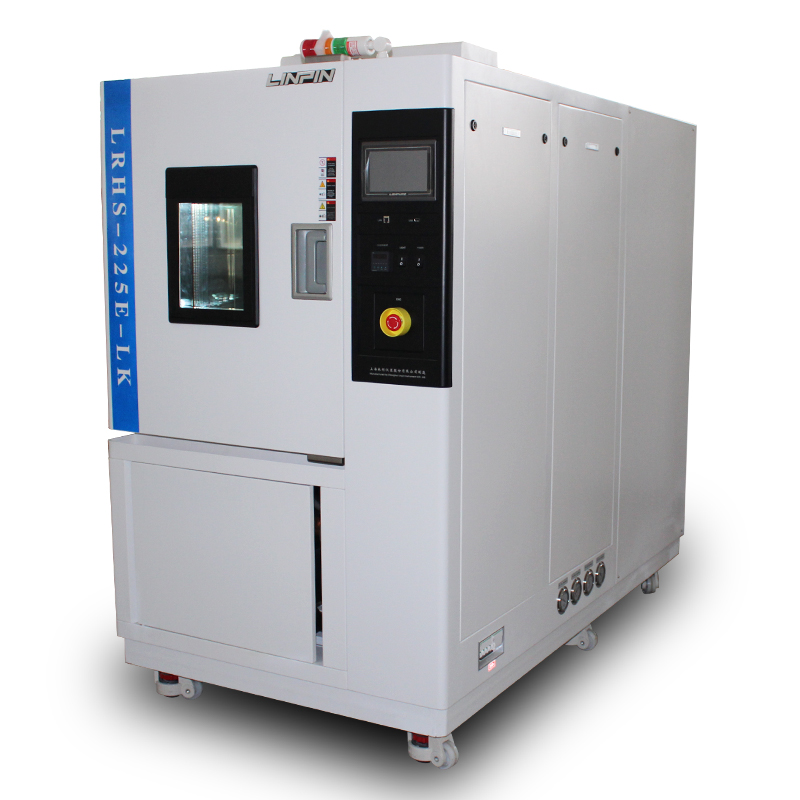
Core value: It elevates quality control from "passive inspection" to "proactive assurance"—a strategic investment that reduces after-sales risk, increases customer trust, and wins market competition.
Conclusion: True quality comes from respecting and preparing for extreme conditions.
Rapid temperature cycling chamber testing may look like a cost, but it is actually a reflection of a company's foresight and sense of responsibility. It tests not only the physical limits of a product but also the depth of a company's commitment to its brand promise.
In laboratories you will never see, products that have endured hundreds of "ice and fire" trials are the ones that can deliver worry-free reliability to users in the real world. That is its irreplaceable, real-world value.