What Moisture-Proof Tests Are Constant Temperature and Humidity Chambers Suitable for on EV Charging Piles?
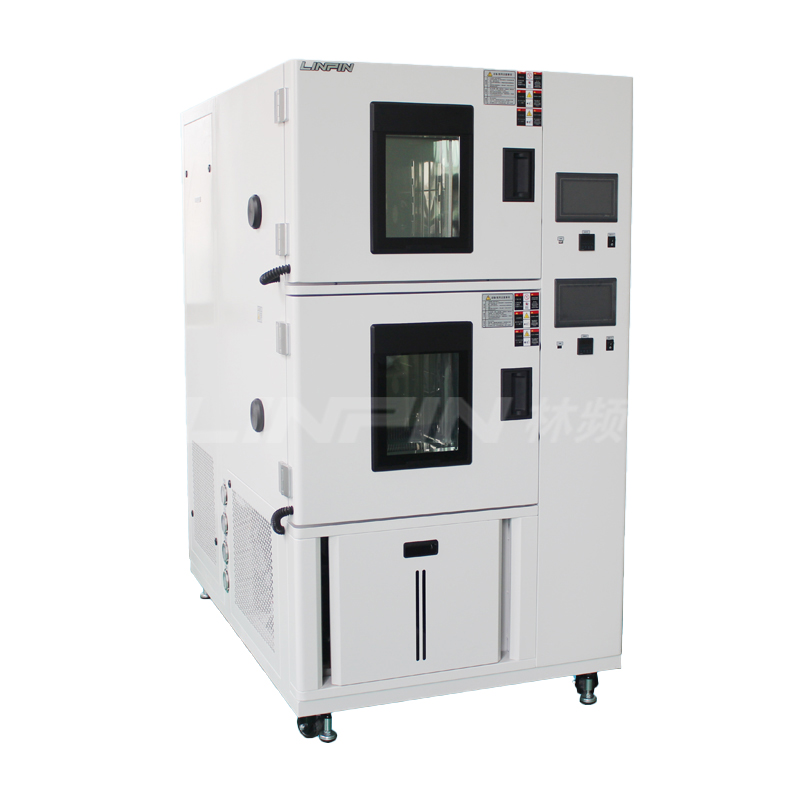
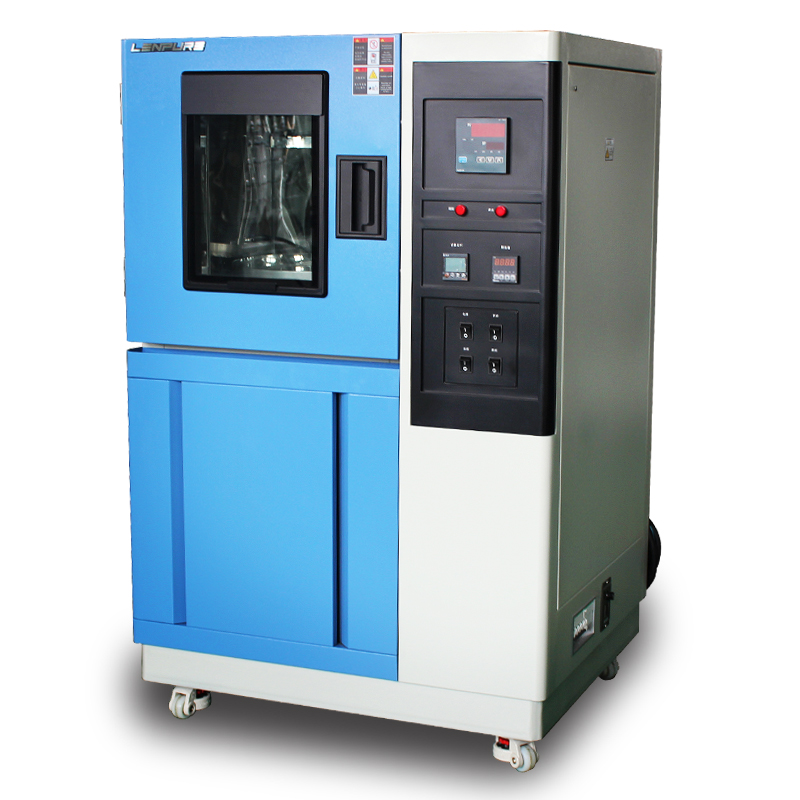
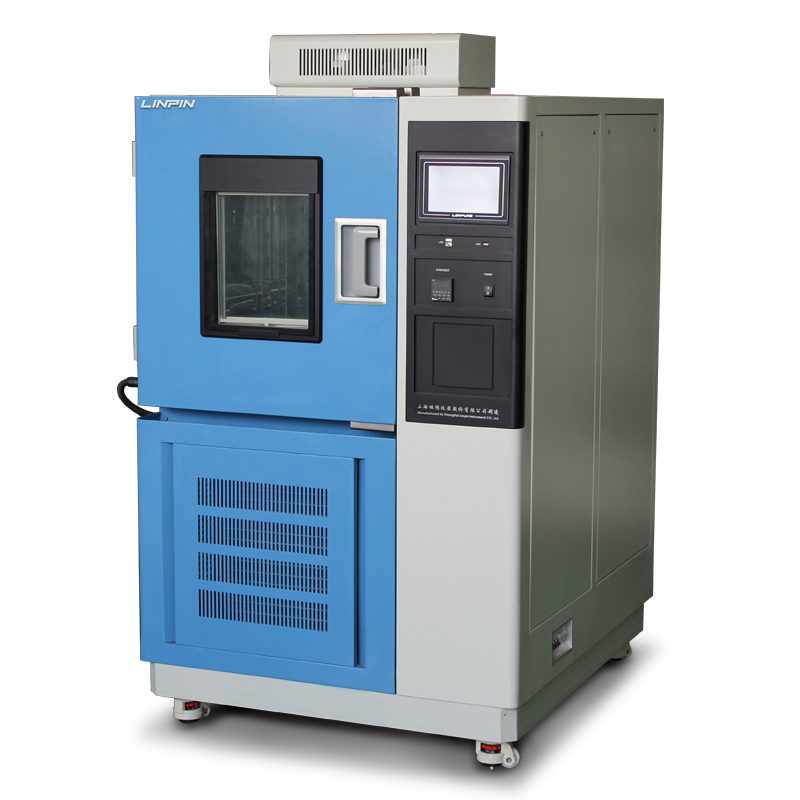
Author:LINPIN Update Time:2026-09-19 Source:LINPINWith the growing popularity of electric vehicles, charging piles—as core infrastructure—have a direct bearing on user safety, property security, and power grid stability. Because charging piles are exposed to outdoor conditions year-round, they face harsh environmental challenges such as rain, condensation, and high humidity. Once internal electrical components and circuit boards become damp, they can easily suffer short circuits, corrosion, reduced insulation performance, and even fire hazards. Therefore, conducting scientific and rigorous moisture-proof testing during product development and quality control is critical. Constant temperature and humidity chambers are the core equipment for this task, capable of simulating various extreme humid environments to provide authoritative verification of charging pile durability.
-
Constant Damp Heat Test: Evaluating Long-Term Weather Resistance
This test is designed to simulate the conditions under which charging piles operate over long periods in hot and humid regions, such as coastal cities in summer. The chamber maintains temperature and humidity at specific severe levels (e.g., 55°C, 95% RH) while the charging pile continuously operates under power for hundreds of hours. This effectively evaluates:
-
Material stability: Will plastic housings and seals deform or age?
-
Electrical safety: Does insulation resistance meet standards? Could leakage occur?
-
Internal protection: Can PCB boards and their components resist moisture intrusion and avoid short circuits or performance drift?
Through this test, manufacturers can ensure that charging piles remain dry and stable internally throughout long rainy seasons or high-humidity environments, eliminating safety hazards caused by moisture at the source.
-
Alternating Damp Heat Test: Testing Survival Capability Under the "Breathing" Effect
Outdoor environments are not static, and day-night temperature differences cause a "breathing effect" inside charging piles (cold, moist air is drawn in and then condenses). The alternating damp heat test simulates this more realistic hot-cold cycling scenario by cycling between high and low temperatures and high humidity (for example, from 25°C/95% RH up to 55°C/95% RH, then back down). This severe test precisely exposes:
-
Condensation protection: Can the structural design effectively prevent internal condensation? Will condensed water drip onto critical circuits?
-
Sealing performance: Do the sealing ratings (IP rating) of connectors and cable entries truly match their claims?
-
Mechanical strength: How corrosion-resistant are metal parts (such as terminal blocks) after repeated "dry shrinkage and wet expansion" cycles?
This test is the litmus test for verifying the rationality of charging pile structural design and the excellence of sealing processes.
-
Combined High-Low Temperature and Damp Heat Test: The Ultimate Challenge of Extreme Environments
In certain extreme cases, charging piles may need to withstand the double impact of low temperature and high humidity simultaneously (such as in winter rain and snow). The chamber can simulate low-temperature, high-humidity environments (e.g., -10°C, 85% RH) to examine the charging pile's startup capability, operational stability, and material cold resistance under condensation and freezing conditions. This is of great significance for ensuring that charging piles can still operate reliably in cold northern winters or icy and snowy weather.
Through systematic moisture-proof testing, charging pile manufacturers can significantly improve their products' adaptability to complex environments and create higher-quality products that are safer, more durable, and more reassuring to users.