The Critical Role of Thermal Shock Test Chambers in Lithium Battery Safety Testing
Author:LINPIN Update Time:2026-10-10 Source:LINPINIn the lithium battery industry, safety is the eternal lifeline. From smartphones to electric vehicles, lithium batteries are being used in an ever-growing range of applications, and their reliability directly affects both the end-user experience and public safety. Among the many reliability tests, thermal shock testing stands out as a critical environmental test — it is the core method for evaluating whether lithium batteries can withstand rapid and extreme temperature changes while remaining safe and stable in unexpected conditions.
Simulating Harsh Realities, Anticipating Hidden Risks
In real-world use, lithium batteries can encounter a wide range of extreme scenarios. An electric vehicle, for example, might travel from a sun-baked outdoor parking lot into a cold underground garage within minutes. Or an electronic device might be taken from a warm indoor environment into freezing outdoor temperatures in winter. These sudden, dramatic temperature shifts place enormous stress on the internal materials of a battery, potentially causing separator shrinkage or deformation, micro-cracks in electrode materials, degradation of electrolyte performance, and even serious safety hazards such as internal short circuits.
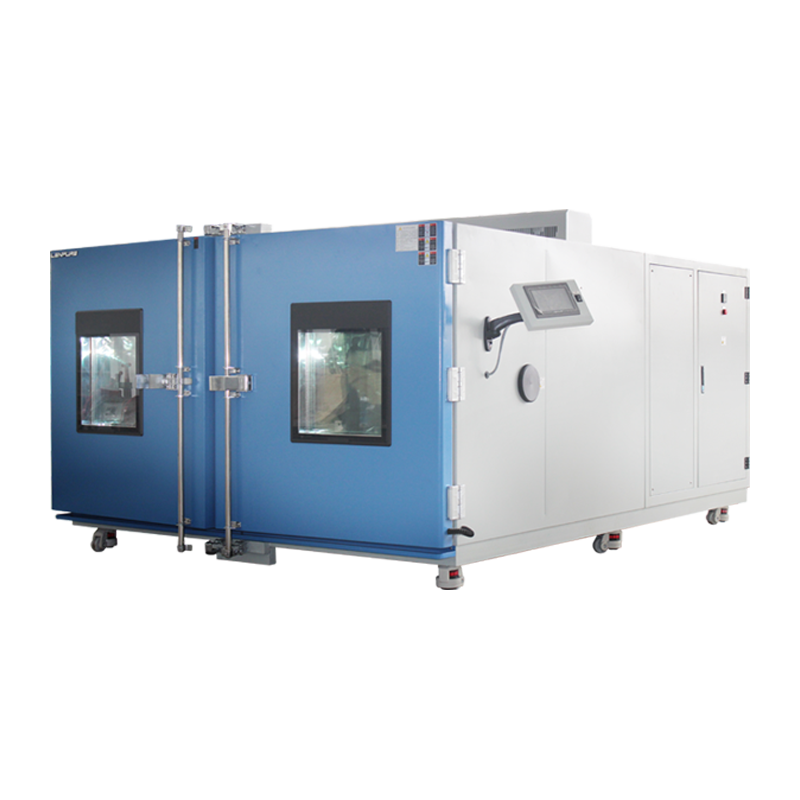
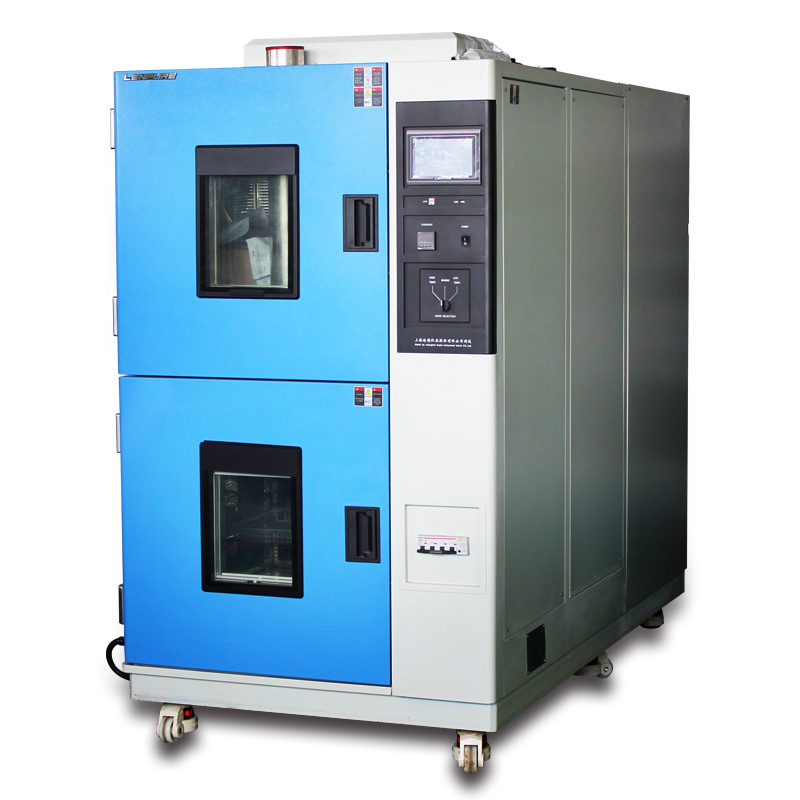
The core value of a thermal shock test chamber lies in its ability to accurately and efficiently reproduce these extreme temperature cycling conditions in a laboratory setting. By rapidly transferring battery samples between a high-temperature zone (e.g., +85°C) and a low-temperature zone (e.g., -40°C), it completes temperature shocks in a very short time, thereby accelerating the exposure of latent defects in materials, structures, and manufacturing processes. This kind of "stress test" is far beyond what ordinary high-low temperature tests can achieve — its severity makes it far more effective at screening out early-failure products.
Empowering Manufacturers, Enhancing Product Competitiveness
For lithium battery manufacturers, incorporating a high-precision thermal shock test chamber is an essential part of quality management throughout the entire product lifecycle.
R&D and Design Stage: Through repeated thermal shock testing, engineers can verify the reliability of new battery material systems and structural designs, optimize key parameters, and improve the product's environmental tolerance from the very beginning.
Incoming Material and Process Control: By conducting sampling tests on key raw materials (such as cathode and anode materials and separators) and semi-finished products, companies can effectively monitor supply chain quality consistency and prevent batch-level problems.
Finished Product Factory Inspection: As a rigorous type test, thermal shock testing is an effective way to verify batch product consistency and safety margins, providing solid data support before products are released to the market.
A high-performance thermal shock test chamber must offer short temperature transition times, excellent temperature uniformity, high control precision, and stable, reliable operation. This requires equipment manufacturers to possess not only deep technical expertise but also a thorough understanding of lithium battery testing standards (such as GB/T, IEC, and UL) in order to deliver testing solutions that truly meet industry needs.
Today, with lithium battery safety being non-negotiable, thermal shock testing has evolved from an optional test into an indispensable safety threshold. Investing in professional thermal shock testing equipment and services is not only a reflection of a company's social responsibility and commitment to user safety, but also a strategic choice for building brand credibility and gaining a competitive edge in the market. It provides the most realistic and rigorous touchstone for the safety journey of lithium batteries — an unsung hero safeguarding every charge and discharge.