The Critical Role of Ozone Aging Test Chambers in Lithium-Ion Battery Safety Testing
Author:LINPIN Update Time:2026-09-05 Source:LINPINAs lithium-ion batteries become increasingly prevalent in electric vehicles, portable electronics, and energy storage systems, the demand for higher safety and performance standards has intensified. During their service life, these batteries are exposed to a variety of environmental stressors, among which ozone presents a particularly significant challenge. As a result, ozone aging test chambers have become indispensable tools in the battery safety testing landscape.
1. Impact of Ozone on Lithium-Ion Batteries
Ozone is a powerful oxidizing agent capable of degrading the constituent materials of lithium-ion batteries, thereby compromising their electrochemical performance and structural integrity. This effect is especially pronounced under conditions of elevated temperature and humidity, where ozone can accelerate the aging of battery casings, separators, and electrode materials. Such degradation often leads to reduced capacity, diminished performance, and increased safety risks, including short circuits and thermal runaway. Consequently, evaluating battery behavior in ozone-rich environments is essential for accurately assessing both safety and operational lifespan.

2. Capabilities of Ozone Aging Test Chambers
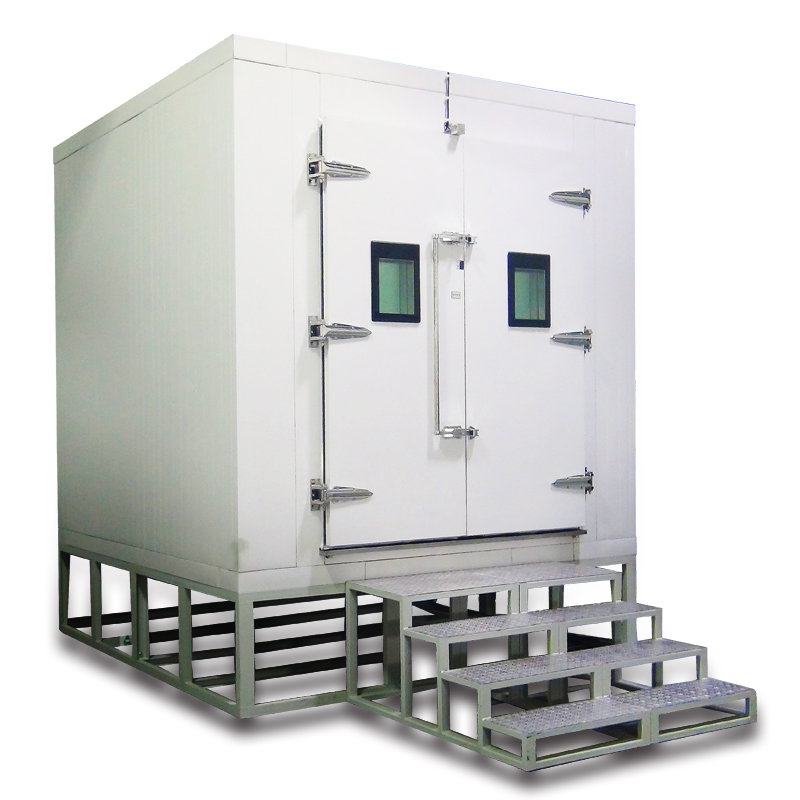
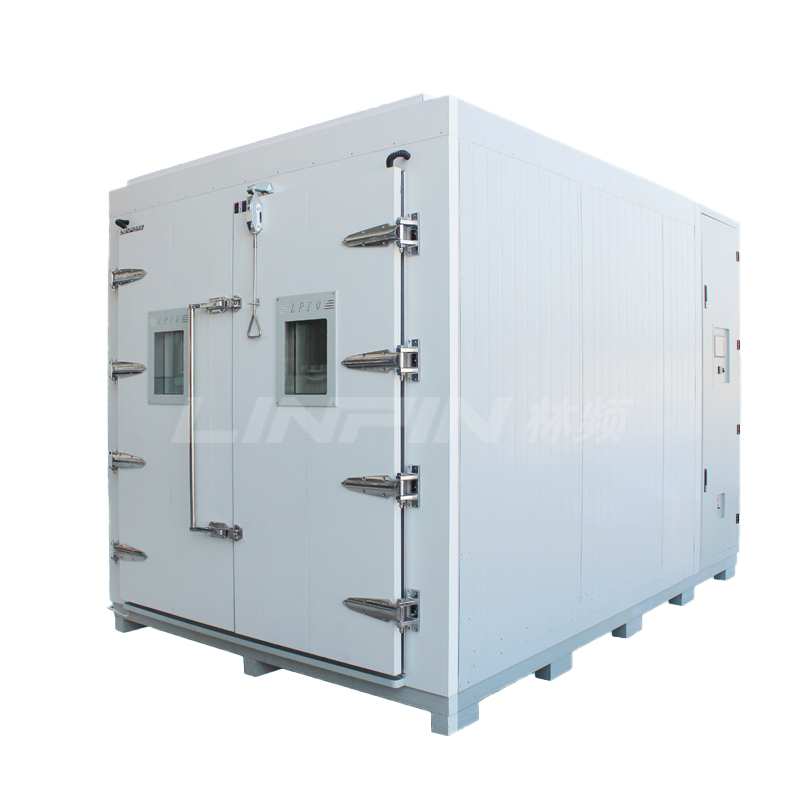
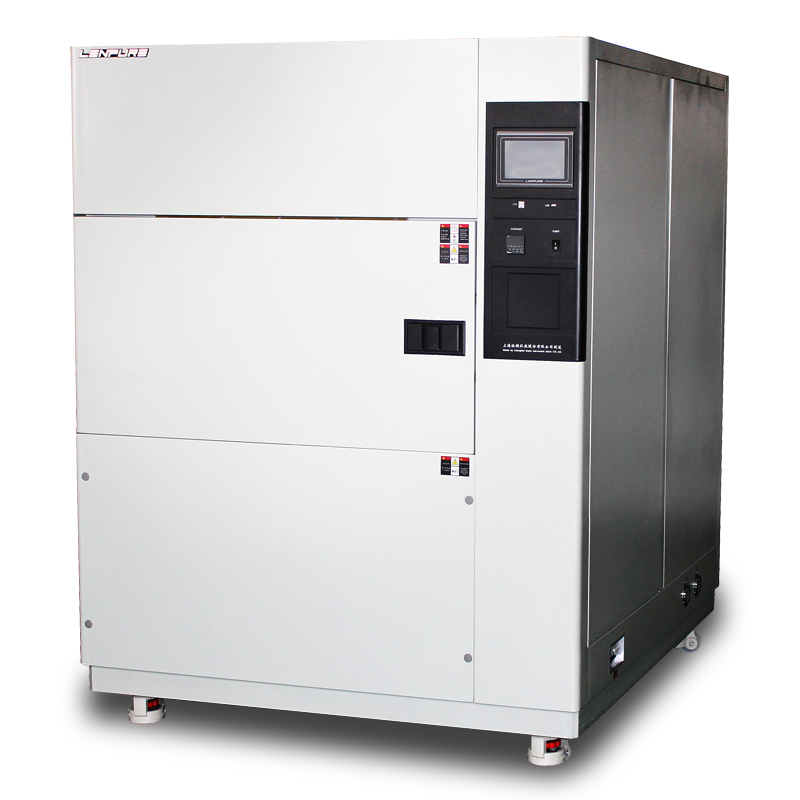
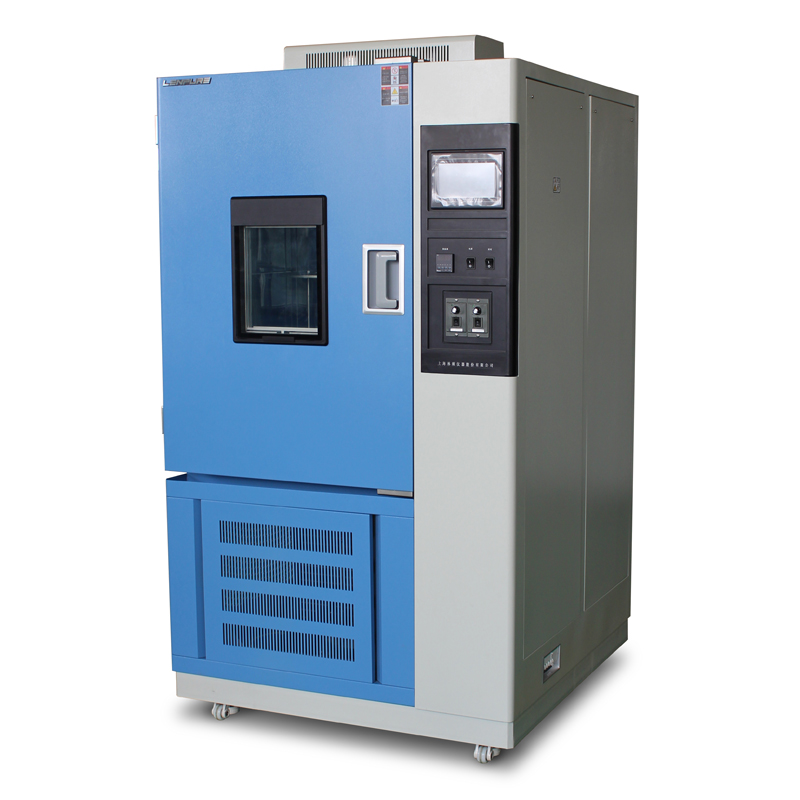
Ozone aging test chambers provide a controlled platform for simulating ozone exposure under reproducible laboratory conditions. Their core functionalities include:
-
Precise Ozone Concentration Control: The system allows for the adjustment of ozone levels across a wide range, enabling manufacturers to assess battery performance under varying degrees of oxidative stress.
-
Integrated Temperature and Humidity Regulation: By incorporating environmental controls that mirror real-world conditions, the chamber creates a more realistic aging scenario, closely replicating the conditions batteries may encounter in actual applications.
-
Comprehensive Data Acquisition and Analysis: Equipped with advanced monitoring systems, the chamber continuously records critical parameters—such as voltage, current, capacity, and internal resistance—throughout the testing process, facilitating in-depth post-test analysis.
3. Value of Test Results
The data generated from ozone aging tests offer valuable insights that extend beyond simple pass/fail criteria. These findings serve multiple strategic purposes:
-
Product Optimization: By identifying which materials or design features are most susceptible to ozone attack, engineers can implement targeted improvements to enhance battery durability and safety.
-
Regulatory Compliance and Certification: Conducting tests that align with international safety standards helps manufacturers obtain necessary certifications, thereby strengthening their market position and demonstrating due diligence.
-
Risk Assessment and Mitigation: Through comprehensive pre-market testing, potential failure modes can be identified early, allowing for the development of proactive risk management strategies and contingency plans.
As lithium-ion battery technology continues to evolve, the importance of ozone aging test chambers in ensuring product safety is becoming increasingly apparent. These systems are not merely testing instruments—they are critical enablers of reliability and risk prevention. Companies that effectively integrate ozone aging testing into their R&D and quality assurance processes will be better positioned to deliver safer, more durable battery solutions, securing a competitive edge in a rapidly advancing market.