Why Are More Companies Prioritizing Reliability Testing with High-Low Temperature Chambers?
Author:LINPIN Update Time:2025-11-28 Source:LINPINIn today's highly competitive market, product quality has become a critical factor for a company's success. Whether it's electronics, automotive parts, aerospace equipment, or medical devices, even minor performance flaws can lead to significant financial losses or compromise user safety. Consequently, more and more businesses are integrating reliability testing using high-low temperature chambers into the core stages of product development and quality control.
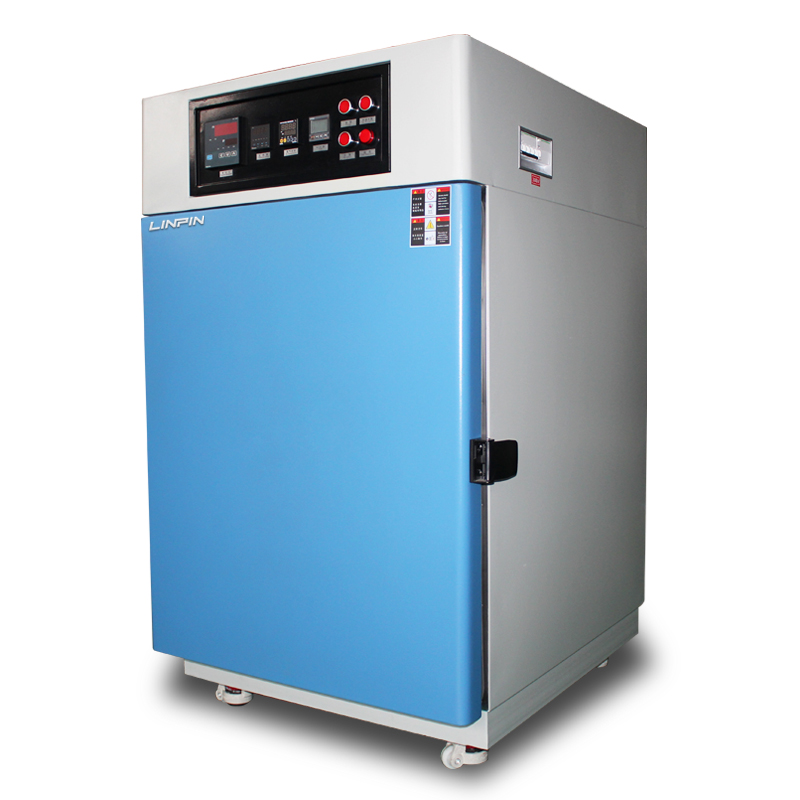
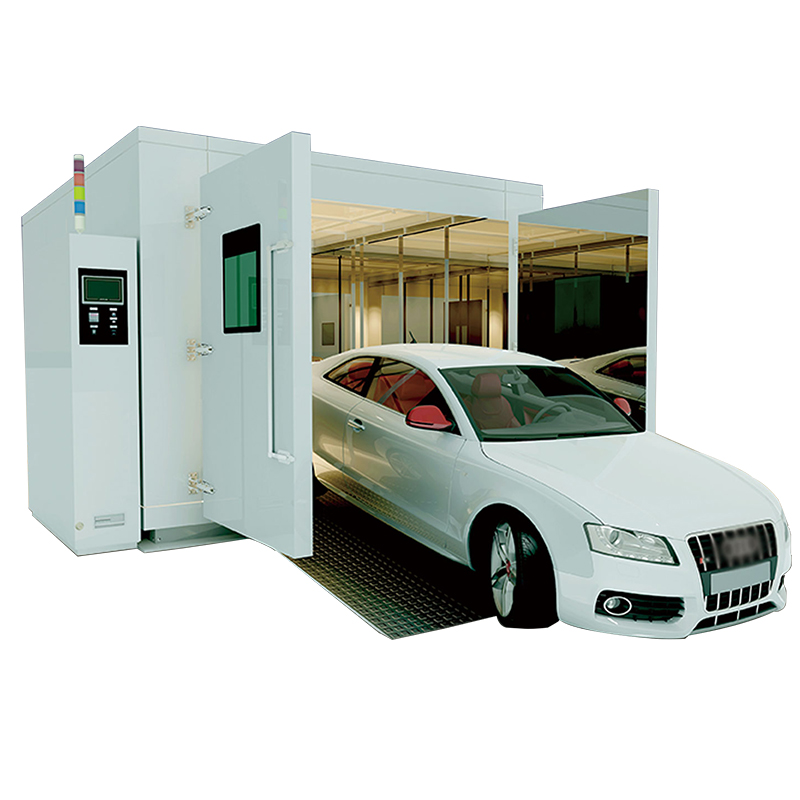
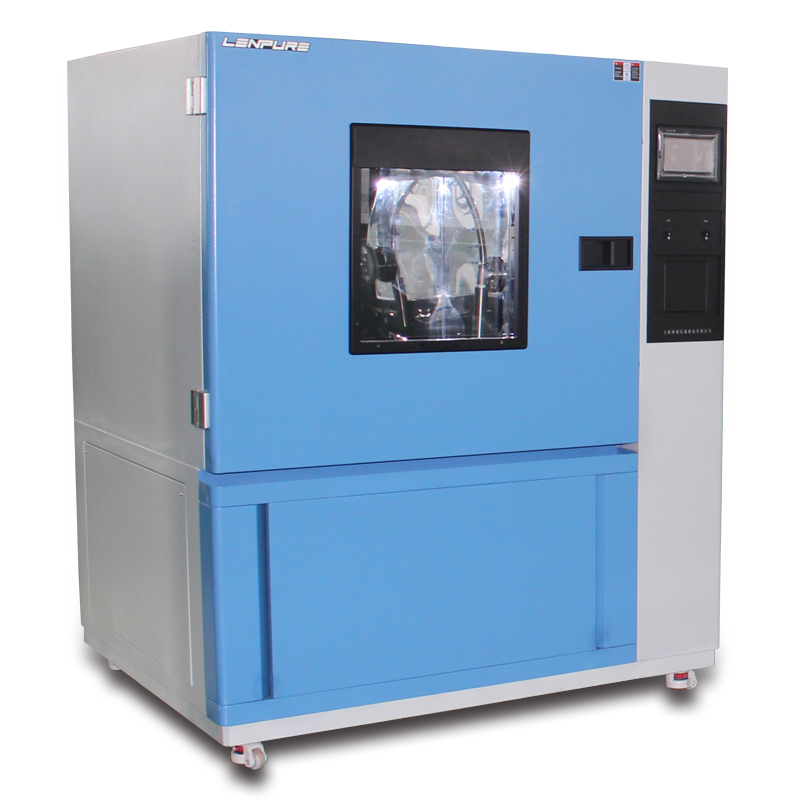
These test chambers simulate extreme temperature environments, helping companies identify potential issues before products reach the market, ensuring stable operation under various harsh conditions. But why has reliability testing with high-low temperature chambers become so crucial? How does it help businesses enhance product quality, mitigate risks, and build market trust? This article explores the reasons behind this trend and highlights the key role these chambers play in modern enterprises.
I. Market Demand Drives the Need for Enhanced Reliability Testing
-
Increasing Consumer Expectations for Product Quality
As technology advances, consumers demand greater durability, stability, and safety from products. For instance, smartphones must function reliably in freezing cold or scorching heat, automotive electronics need to withstand diverse global climates, and aerospace equipment requires fail-safe operation under extreme temperatures. Companies that fail to meet these expectations risk losing market share. -
Global Competition Requires Products to Adapt to Various Climates
Businesses now operate globally, selling products across different regions with vastly different temperature ranges – from the extreme cold of Northern Europe to the intense heat of the Middle East and the humidity of tropical areas. Without rigorous high-low temperature testing, products might malfunction in specific environments, damaging brand reputation. Thus, these test chambers have become essential tools for ensuring global product adaptability.
II. How High-Low Temperature Chambers Enhance Competitiveness
-
Early Detection of Defects Reduces Post-Market Costs
Simulating extreme temperatures during R&D helps quickly identify issues like material degradation, circuit failures, or structural deformation. Identifying these problems early is far less costly than dealing with recalls or repairs after a product launch.- Case Study: A leading electric vehicle manufacturer used a high-low temperature chamber (simulating -40°C to 80°C) during battery development. They identified a significant drop in range at low temperatures and optimized the design accordingly, avoiding a potential large-scale recall.
-
Improved Product Reliability Builds Brand Trust
Consumers tend to favor brands known for rigorous testing. Tech giants like Apple and Huawei, for example, conduct extreme environment tests on devices before launch, ensuring phones operate reliably in hot, cold, or humid conditions. This commitment to quality fosters stronger consumer trust. -
Meeting Industry Standards and Regulatory Requirements
Many sectors (military, medical, automotive, etc.) have strict environmental testing standards.- Military (e.g., GJB150): Requires equipment functionality under extreme temperatures.
- Automotive (e.g., ISO 16750): Mandates high-low temperature cycle tests for electronic components.
- Medical (e.g., IEC 60601): Ensures device safety and reliability in various environments.
Compliance with these standards, often a market entry requirement, necessitates the use of high-low temperature chambers.
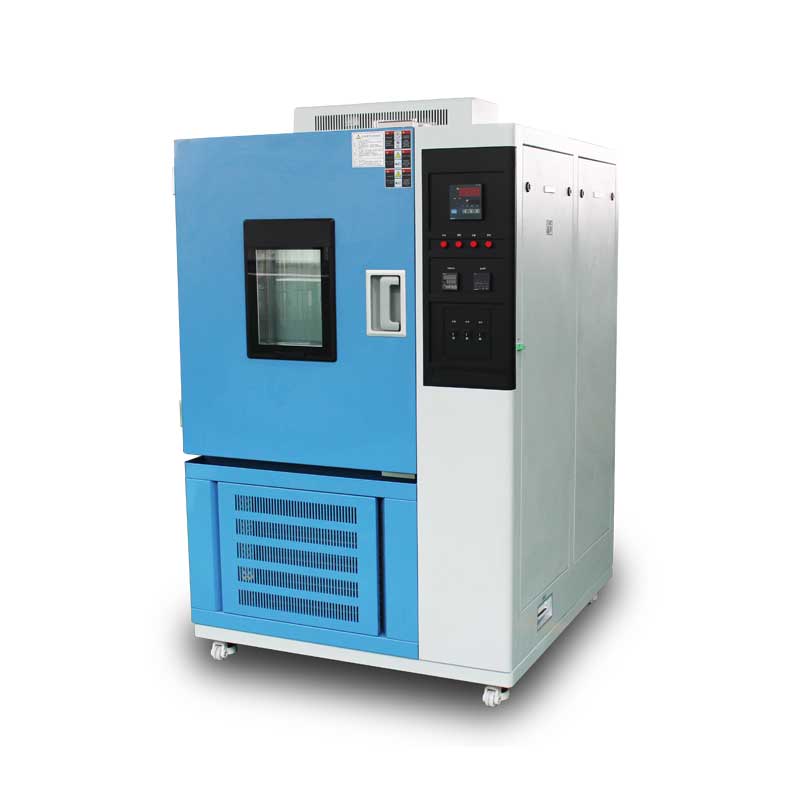
III. Technological Advancements in Test Chambers Drive Industry Change
-
Smart and Automated Testing
Modern chambers are no longer simple temperature control units; they integrate AI controls, remote monitoring, and data analytics.- Automated data logging and report generation increase testing efficiency.
- AI can predict potential failures, providing early warnings.
- Capabilities for combined environmental testing (temperature, humidity, vibration, salt spray, etc.).
-
Energy Efficiency and Sustainability
Newer models incorporate inverter technology and high-efficiency cooling systems, significantly reducing energy consumption and aligning with green manufacturing trends. -
Customized Testing Solutions
Different industries have unique needs:- New Energy: Focus on battery performance under extreme temperatures.
- Semiconductors: Require rapid temperature cycling (e.g., -55°C to 125°C).
- Aerospace: Simulate high-altitude low temperatures or thermal shock.
Leading chamber manufacturers now offer tailored solutions to meet these specific requirements.
IV. How to Choose the Right High-Low Temperature Chamber
-
Define Testing Requirements
- Temperature range (e.g., -70°C to 180°C)
- Rate of temperature change (e.g., 5°C/min or 15°C/min)
- Need for humidity control
-
Prioritize Stability and Precision
- Temperature uniformity (e.g., ±1°C or better)
- Long-term operational stability
-
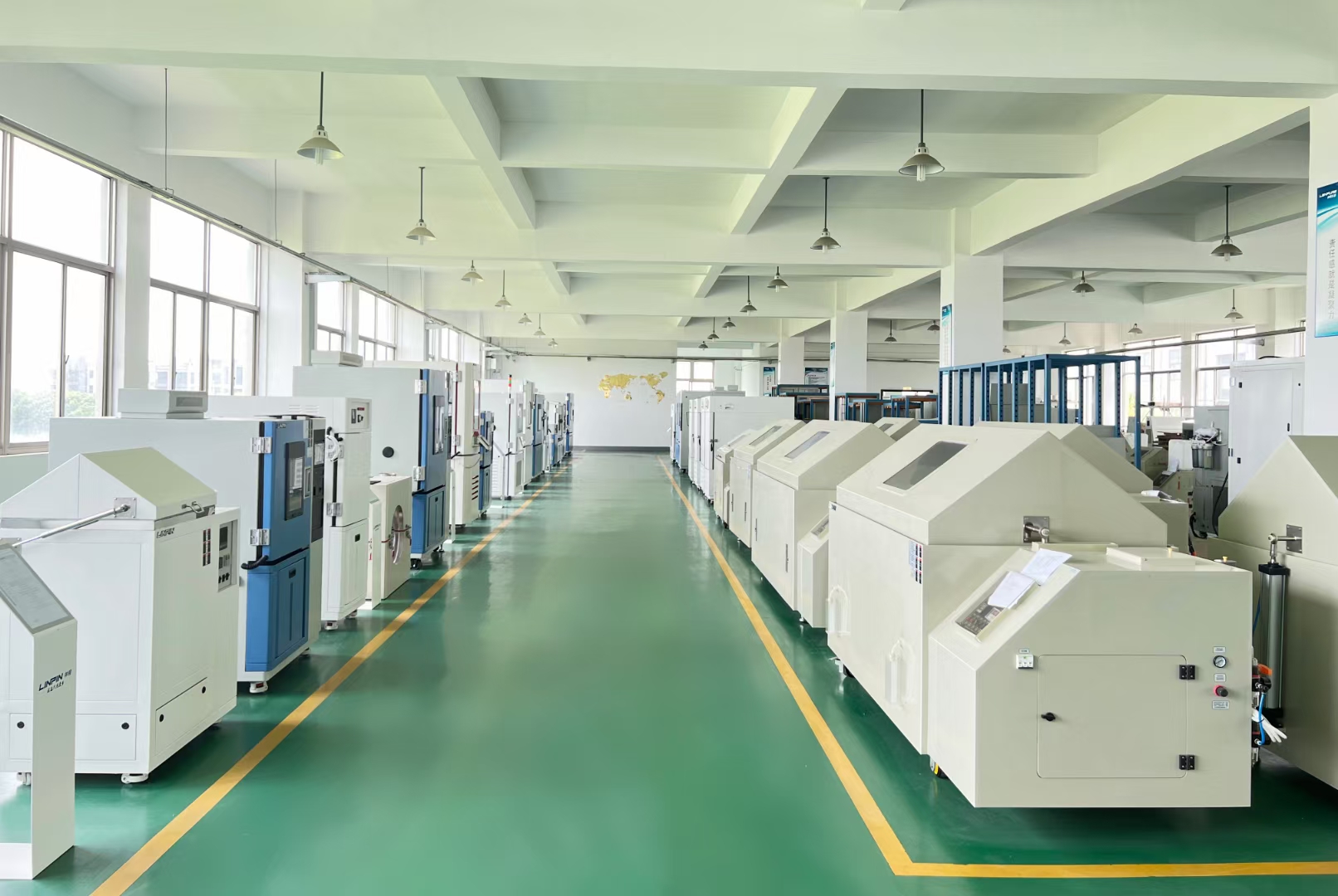
Select a Reliable Supplier
- Do they offer comprehensive after-sales service?
- Can they provide relevant industry success stories?
- Recommendation: Prefer suppliers with ISO and CE certifications to ensure equipment quality.
In a competitive landscape, product quality is paramount. Reliability testing with high-low temperature chambers not only helps uncover potential defects but also enhances brand value, reduces post-market risks, and ensures compliance with international standards. Whether a tech giant or a startup, companies that genuinely prioritize product reliability through rigorous testing are best positioned to succeed.