What External Factors Affect the Test Results of Temperature and Humidity Chambers?
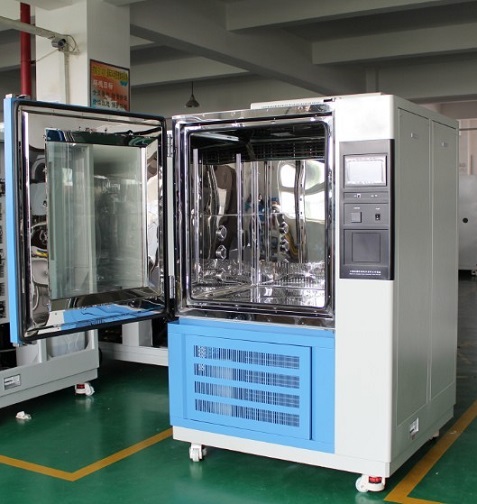
Author:LINPIN Update Time:2025-11-21 Source:LINPINTemperature and humidity chambers are essential environmental simulation equipment widely used in industries like electronics, automotive, aerospace, and materials to test product performance and reliability under extreme temperature and humidity conditions. Accurate and reliable test results are crucial for ensuring product quality and guiding research and development improvements. However, users often encounter fluctuations or inaccuracies in test data, which are primarily caused by various external factors. This article outlines these key influencing factors to help you better understand and control the test environment, ensuring the authenticity and validity of your data.
1. Laboratory Environment
The test results from a temperature and humidity chamber are highly sensitive to the surrounding laboratory conditions. Factors such as the lab's ambient temperature, humidity, and airflow can significantly impact the stability of the chamber's internal environment. For instance, excessive air movement in the lab can cause fluctuations in temperature and humidity inside the chamber, compromising test accuracy. Additionally, the laboratory's cleanliness is vital to prevent dust buildup on sensors, which can lead to measurement errors.
2. Equipment Maintenance Status
The chamber's own condition directly affects the precision of its environmental control. Key components like the sealing performance, heating and refrigeration systems, and humidity control system must be well-maintained. Aging seals causing air leaks, or inaccurate sensor calibration, can lead to deviations from the set parameters, undermining the reliability of the test results.
3. Sample Placement
How and where the test samples are placed inside the chamber significantly impacts the uniformity of temperature and humidity distribution. Placing samples too close to the chamber walls or overcrowding them can obstruct airflow, leading to localized deviations in readings. Therefore, following the manufacturer's guidelines for sample layout is essential to avoid such issues.
4. Test Program Settings
Improperly configured test programs can also affect results. For example, setting overly rapid temperature or humidity change rates may exceed the equipment's ability to respond and stabilize, distorting the environmental simulation. Furthermore, insufficient preheating, stabilization, or soak times might prevent the test from reaching steady-state conditions, causing data variability.
5. External Power Supply Fluctuations
A stable power supply is critical for the consistent performance of a temperature and humidity chamber. Voltage fluctuations or brief power interruptions can disrupt the control system, affecting the accuracy of temperature and humidity regulation. Using voltage stabilizers or Uninterruptible Power Supplies (UPS) can significantly enhance testing stability.
Understanding and controlling the external factors that influence the test results of temperature and humidity chambers is key to ensuring data accuracy and product quality. Selecting advanced and reliable equipment, designing scientifically sound test protocols, and strictly managing the laboratory environment and equipment maintenance will enable precise environmental simulation testing, providing a solid foundation for product development and quality enhancement.