GB/T 5338.1-2023 Rain Test Standard for Energy Storage Containers?
Author:LINPIN Update Time:2026-11-06 Source:LINPINIn the rapidly growing energy storage industry, safety and reliability are the lifelines of project success. As the key carrier of electrochemical energy storage systems, the protective performance of an energy storage container's external structure directly affects the stable operation of internal core equipment in various complex environments. Recently, the State Administration for Market Regulation and the Standardization Administration of China jointly issued GB/T 5338.1-2023, "Series 1 Freight Containers — Specification and Testing — Part 1: General Cargo Containers," which sets clear and stringent requirements for the rain-tightness testing of containers (including specialized energy storage containers), establishing a new benchmark for product quality in the industry.
I. Core of the Standard: Rigorous Rain Testing That Simulates Extreme Environmental Challenges
The rain test specified in GB/T 5338.1-2023 is fundamentally designed to verify the sealing performance of a container body, ensuring that it can effectively prevent rainwater from penetrating inside during prolonged, heavy rainfall. This is critically important for energy storage containers, which house valuable and moisture-sensitive equipment such as precision battery management systems, power conversion systems, and fire protection facilities.
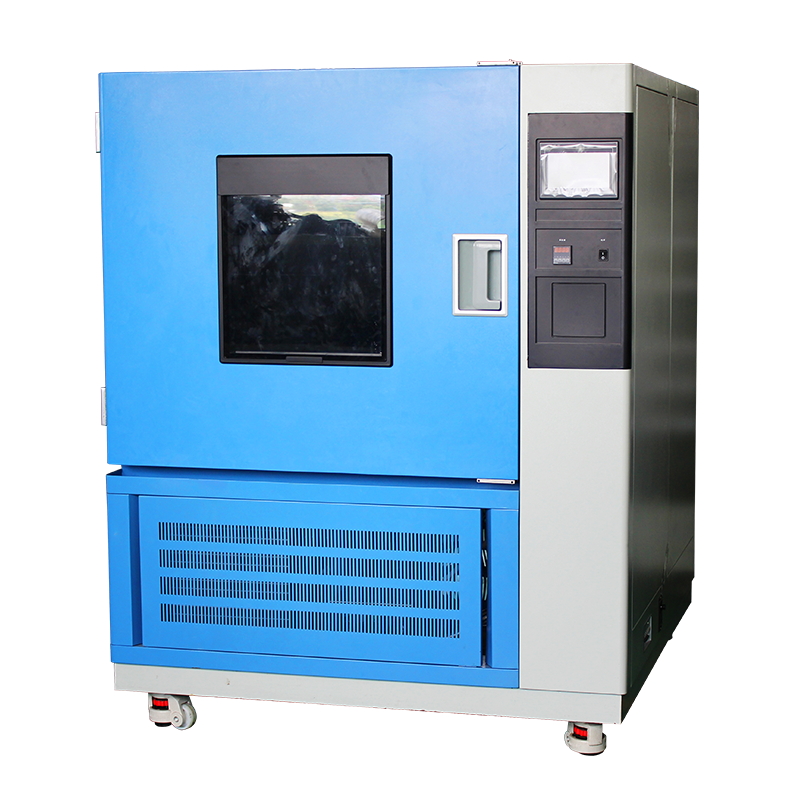
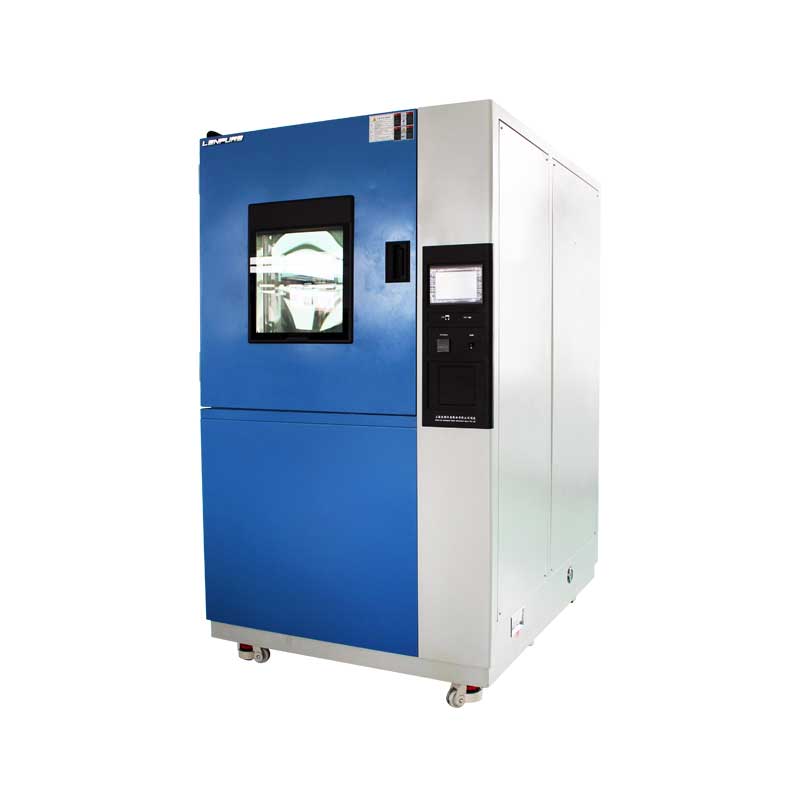
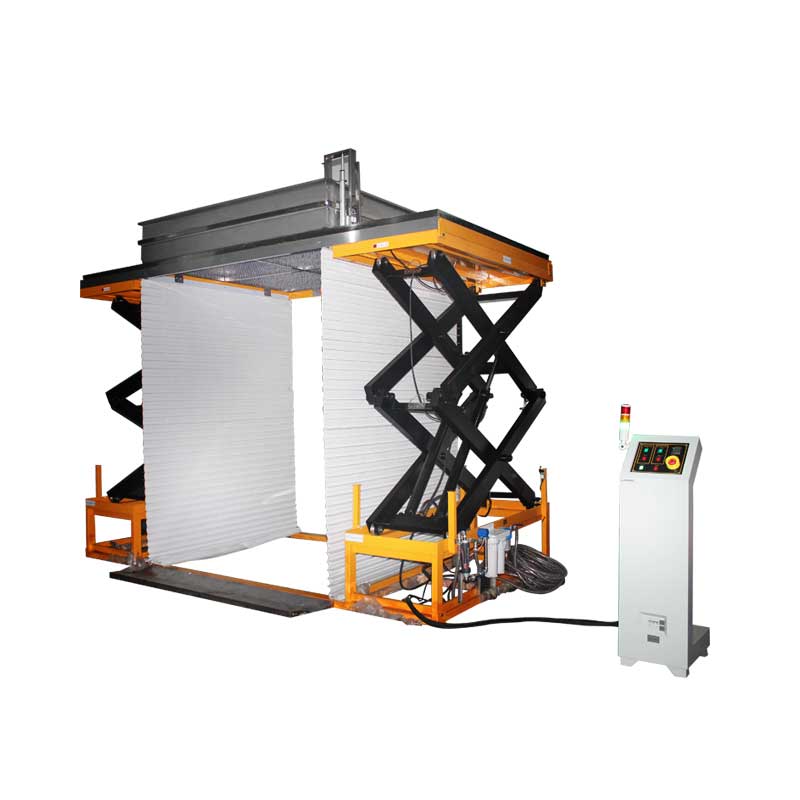
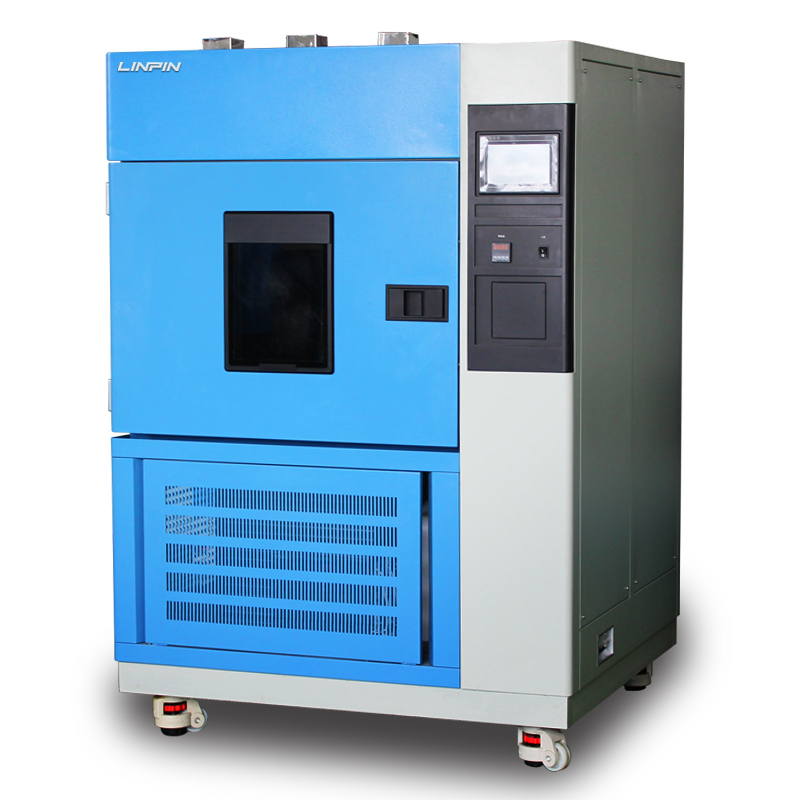
The test typically simulates severe weather conditions using specialized spray equipment to continuously and uniformly spray water at specified pressure, flow rate, and angles onto all seams, door seals, ventilation openings, and other potentially water-entry points of the container. After a predetermined test duration, there must be no traces of water or leakage on the interior walls, floor, or internal equipment surfaces. This rigorous testing process is a comprehensive challenge to the container's structural design, welding quality, sealing material performance, and assembly precision.
II. Value Beyond the Standard: Demonstrating Core Corporate Strength
For energy storage container manufacturers and system integrators, strictly complying with and even exceeding the rain test requirements of GB/T 5338.1-2023 is not merely about meeting basic market entry conditions — it is a key differentiator that demonstrates superior product quality and engineering capability.
Ensuring Long-Term System Reliability: Energy storage containers that pass high-standard rain tests can effectively withstand harsh conditions such as high-salinity humidity in coastal areas, plum rain seasons in southern China, and heavy rainstorms in northern China. This significantly reduces the risk of equipment short circuits, corrosion, and insulation failure caused by water ingress, ensuring safe and stable operation throughout the entire lifecycle of energy storage stations.
Reducing Total Lifecycle Costs: Superior waterproof performance reduces equipment failure rates caused by moisture and water ingress, significantly lowering subsequent maintenance costs and operational risks, delivering higher returns on investment for customers.
Enhancing Market Competitiveness: Achieving first-pass compliance — or exceeding national standards — in sealing tests through refined product design, material selection, and manufacturing processes directly reflects a manufacturer's technical depth and quality control capabilities, helping to win customer trust in a highly competitive market.
III. Practical Guidance: Key Criteria for Selecting Compliant, High-Quality Products
When selecting energy storage container products, users should make compliance with GB/T 5338.1-2023 and related national standards a core evaluation criterion. It is recommended to focus on whether the manufacturer holds rain test qualification reports issued by authoritative third-party testing institutions, and to conduct on-site inspections of their production processes and quality control systems. A company that respects standards and pursues quality excellence is a trustworthy long-term partner.
The rain test provisions in GB/T 5338.1-2023 establish a clear benchmark for the environmental adaptability of energy storage containers. It serves not only as a criterion for product qualification but also as a touchstone for measuring a company's technical strength and sense of responsibility. Embracing high standards and building robust protection is the way to jointly drive the energy storage industry toward a safer, more efficient, and more sustainable future.