The Role of Salt Spray Test Chambers in Predicting the Service Life of Electronic Components
Author:LINPIN Update Time:2026-08-08 Source:LINPINIn the electronics manufacturing industry, product reliability is a key determinant of market competitiveness. A critical question for both manufacturers and end users is whether electronic components can perform reliably over extended periods, especially under harsh environmental conditions. Salt spray test chambers—well-established environmental simulation tools—are now widely regarded as an authoritative means of assessing corrosion resistance and forecasting the useful life of electronic components.
Why is Service Life Prediction Critical for Electronic Components?
Electronic devices are increasingly deployed in environments with high humidity and elevated salt content, such as coastal areas, industrial facilities, and automotive applications. Insufficient corrosion resistance can lead to short circuits, gradual performance degradation, or even catastrophic failure, posing safety risks and incurring substantial economic costs. By conducting accelerated aging tests in a controlled laboratory setting, manufacturers can identify latent weaknesses early in the development cycle, thereby strengthening overall product reliability.

How Do Salt Spray Test Chambers Enable Scientific Life Prediction?
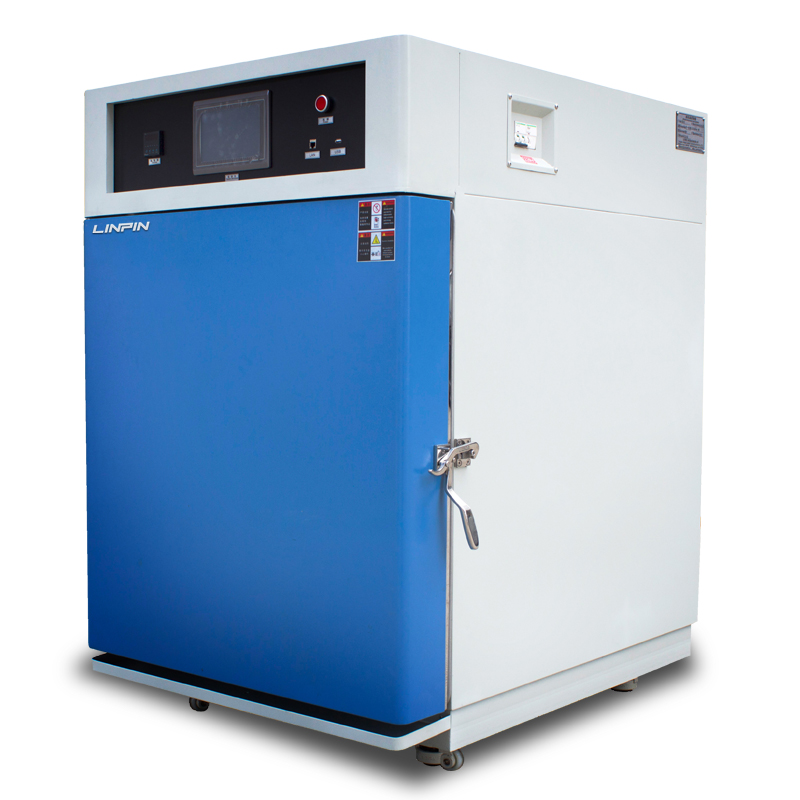
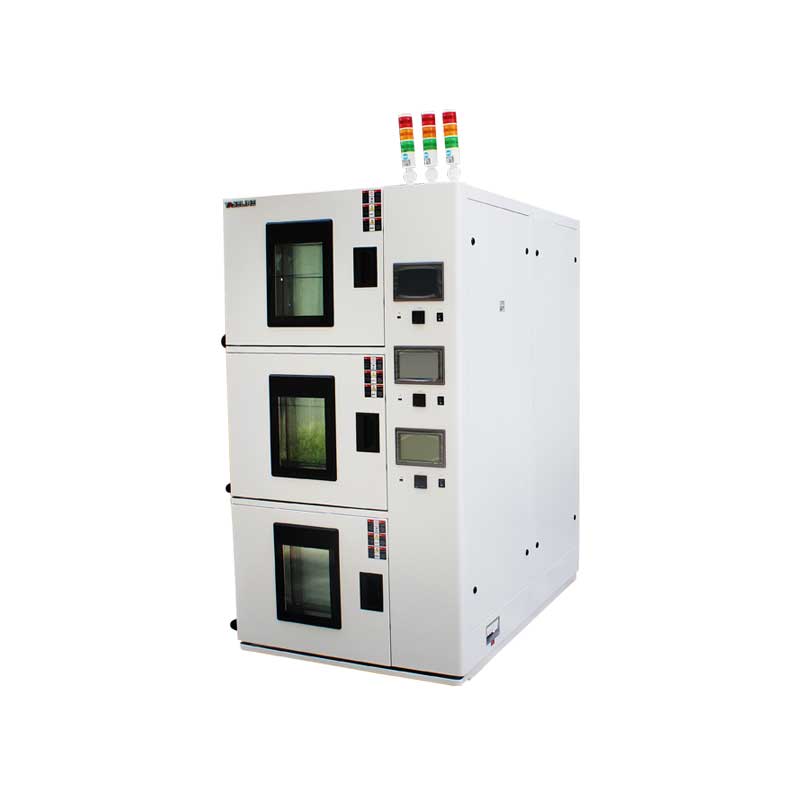
Salt spray chambers replicate corrosive marine or industrial atmospheres to accelerate the corrosion process on electronic components. Their primary contributions include:
-
Accelerated Defect Exposure: Under controlled conditions, concentrated salt spray simulates months or even years of natural corrosion within a shortened timeframe, rapidly revealing material flaws, coating imperfections, or seal integrity issues.
-
Quantifiable Corrosion Metrics: By recording the time elapsed until performance degradation or failure occurs, and by applying corrosion rate models, engineers can estimate the component’s expected lifetime in real-world service environments.
-
Design and Material Optimization: Test results offer empirical evidence for refining component geometries and selecting more effective protective coatings, enabling proactive durability enhancements at the design stage.
What Ensures the Authority and Reliability of These Tests?
Salt spray testing is conducted in accordance with internationally recognized standards, such as ISO 9227 and ASTM B117, ensuring consistent conditions and comparable results across laboratories. Rigorous test protocols—including specimen preparation, continuous fog exposure, and periodic evaluations—yield highly reproducible and actionable data. Modern chambers are equipped with advanced features like integrated temperature and humidity control, as well as pH monitoring, further enhancing measurement precision and repeatability.

Practical Value in Real-World Applications
Many leading electronics manufacturers have incorporated salt spray testing into their quality management systems. For instance, an automotive electronics supplier that implemented routine PCB salt spray audits reported a 30% improvement in mean time between failures (MTBF). Similarly, a telecommunications infrastructure provider serving coastal regions used test findings to upgrade its enclosure sealing processes, resulting in a marked reduction in field failure rates.
Salt spray test chambers are more than just quality inspection instruments—they serve as a vital link between R&D and field performance. By replacing subjective assumptions with empirical data, they lend scientific rigor to life prediction, enabling manufacturers to mitigate after-sales risks and strengthen brand credibility. As electronic technologies continue to advance at a rapid pace, investing in robust salt spray testing capabilities is, in effect, an investment in the long-term success and resilience of the products themselves.