Is a Sand and Dust Test Chamber Only for Testing Product Enclosure Sealing?
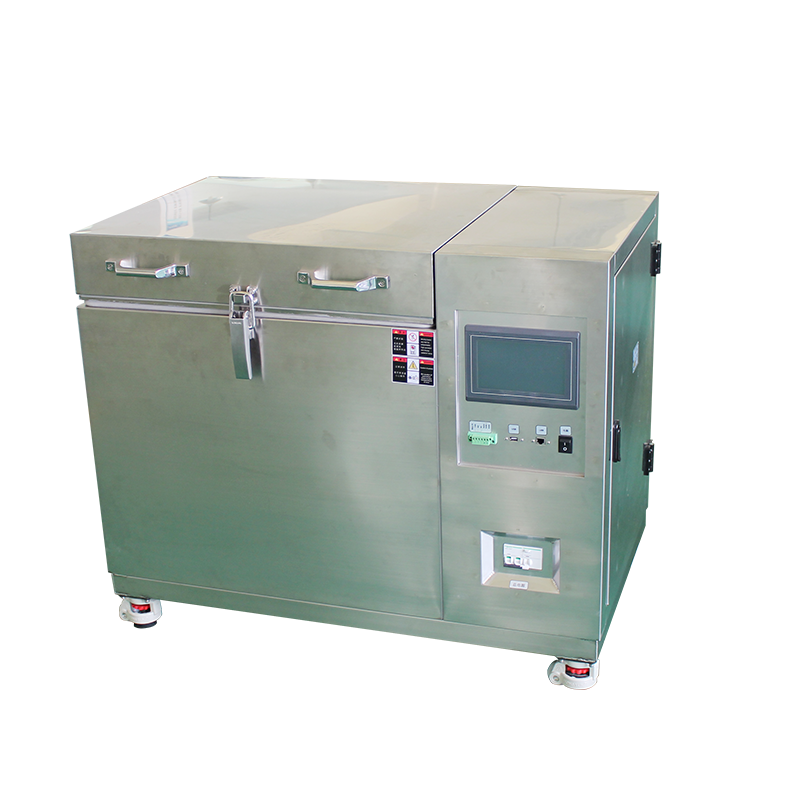
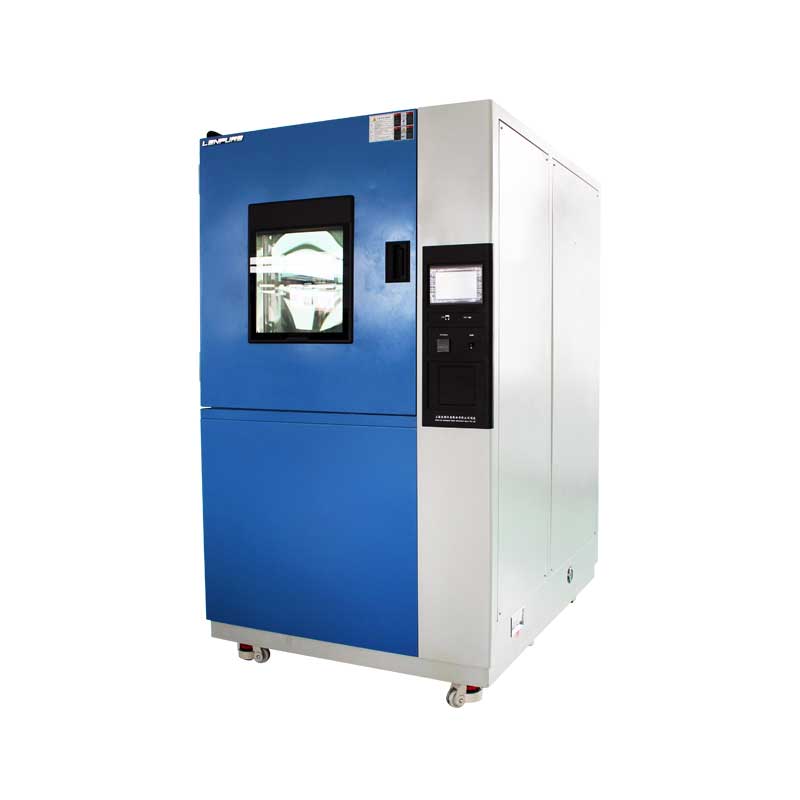
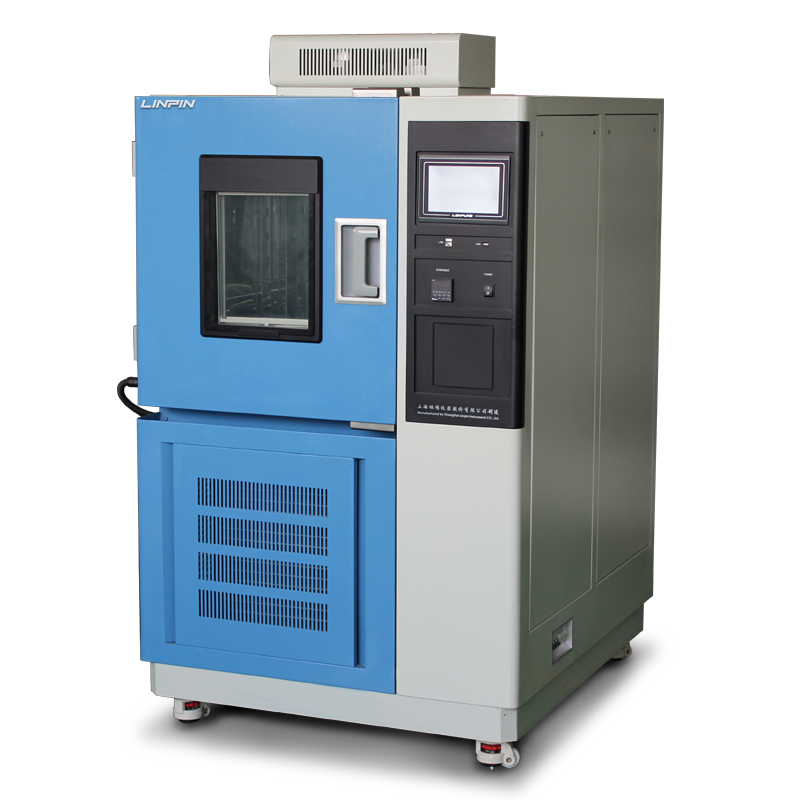
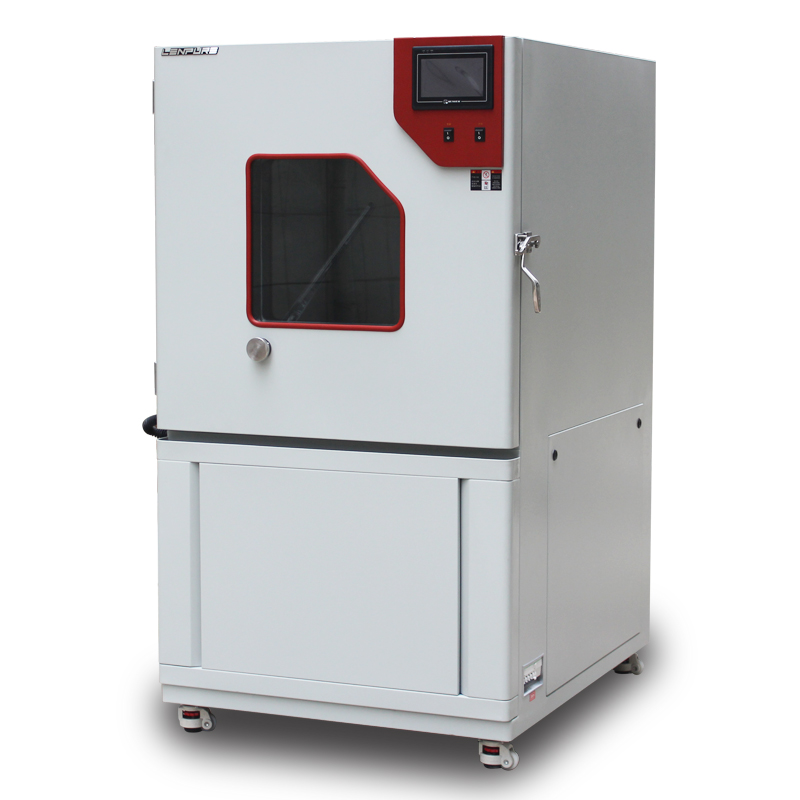
Author:LINPIN Update Time:2026-04-18 Source:LINPINMany perceive a sand and dust test chamber simply as specialized equipment for checking the sealing integrity of a product's outer shell. While this common view highlights its most recognized application, it doesn't capture the full picture. The value of a sand and dust test chamber extends far beyond that; it is a crucial tool for simulating harsh sandy and dusty environments and validating the overall reliability and durability of a product – factors critical to its final quality and market success.
Enclosure Sealing: Just the First Hurdle in Reliability
Undoubtedly, testing enclosure sealing performance (e.g., IP5X and IP6X protection ratings) is a fundamental function of these chambers. They accurately simulate the intrusion of fine dust particles, verifying whether enclosures, junction boxes, connectors, and other components provide an effective physical barrier. This is essential for ensuring stable operation in environments like deserts, mines, and construction sites. However, limiting its role to this single aspect significantly underestimates its capabilities.
Beyond Sealing: An In-Depth Assessment of Intrinsic Product Quality
A fully-featured sand and dust test chamber evaluates a product's comprehensive resilience:
- Mechanical Abrasion and Corrosion: Continuous bombardment by sand and dust doesn't just test seals; it abrades surface coatings, moving parts (like fans, buttons), and even optical lenses. Testing helps identify insufficient wear resistance in materials early, preventing functional failures or cosmetic damage caused by long-term abrasion.
- Electrical Performance Stability: Extremely fine dust particles can infiltrate internal components, leading to short circuits, intermittent connections, or reduced insulation performance. Testing effectively assesses the long-term operational stability of electrical systems in dusty conditions, which is vital for precision electronics, automotive control systems, and more.
- Impact on Thermal Performance: Dust accumulation can clog vents and heat dissipation pathways, causing equipment to overheat. Testing verifies whether a product's thermal design remains reliable even when partially covered in dust, preventing performance throttling or shutdowns due to overheating.
- Operational Reliability of Mechanisms: For equipment with moving mechanisms (e.g., robots, motorized valves), dust can impede proper operation. Testing checks the smooth functioning and lifespan of these mechanisms in contaminated environments.
Why Choose an Authoritative Sand and Dust Testing Solution?
Choosing a sand and dust test chamber with precise performance, compliant with international and national standards (like IEC 60529, GB/T 4208), means your test results are credible. This is not only a mandatory requirement for product certification but also a strong demonstration of a company's commitment to quality. By simulating extreme environmental conditions, companies can identify potential flaws before products reach the market, significantly reducing warranty returns and repair costs, and enhancing brand reputation.
Labeling a sand and dust test chamber merely as an "enclosure seal tester" is a misconception. It is an indispensable part of the product development and quality control system – a crucial "proving ground" that ensures a product, from its internals to its externals, can withstand the challenges of real-world harsh environments. Investing in professional sand and dust testing equipment is an investment in the long-term viability of your products and the core competitiveness of your company. Ensure your products are built to perform reliably, no matter how tough the conditions.