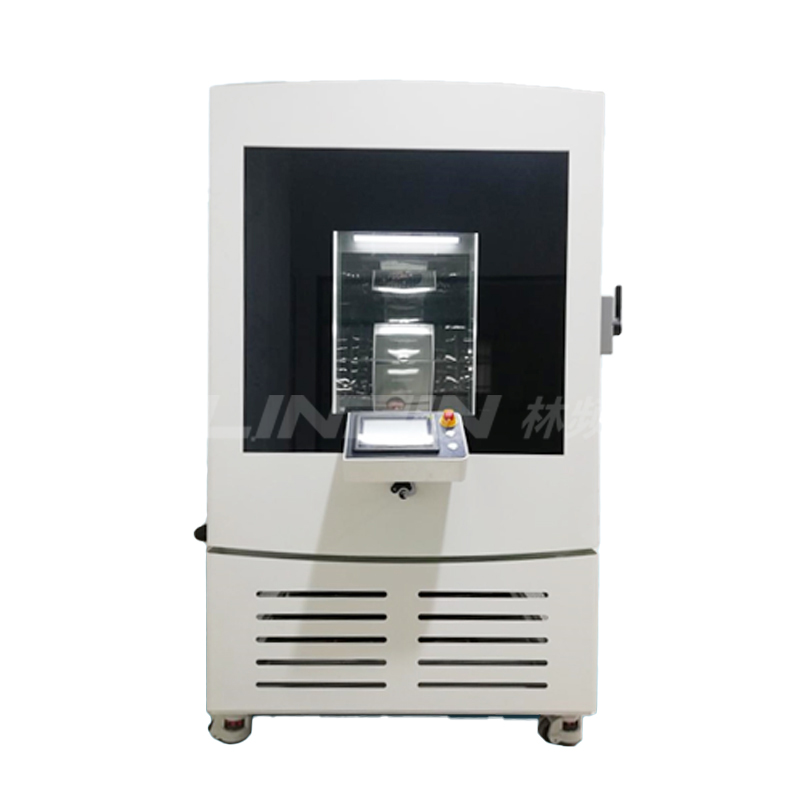
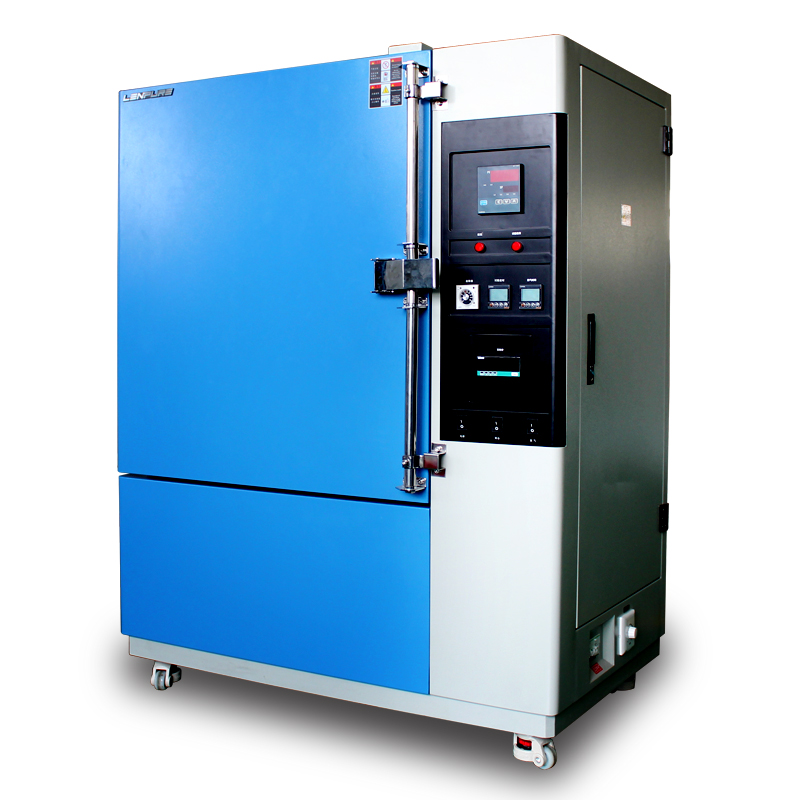
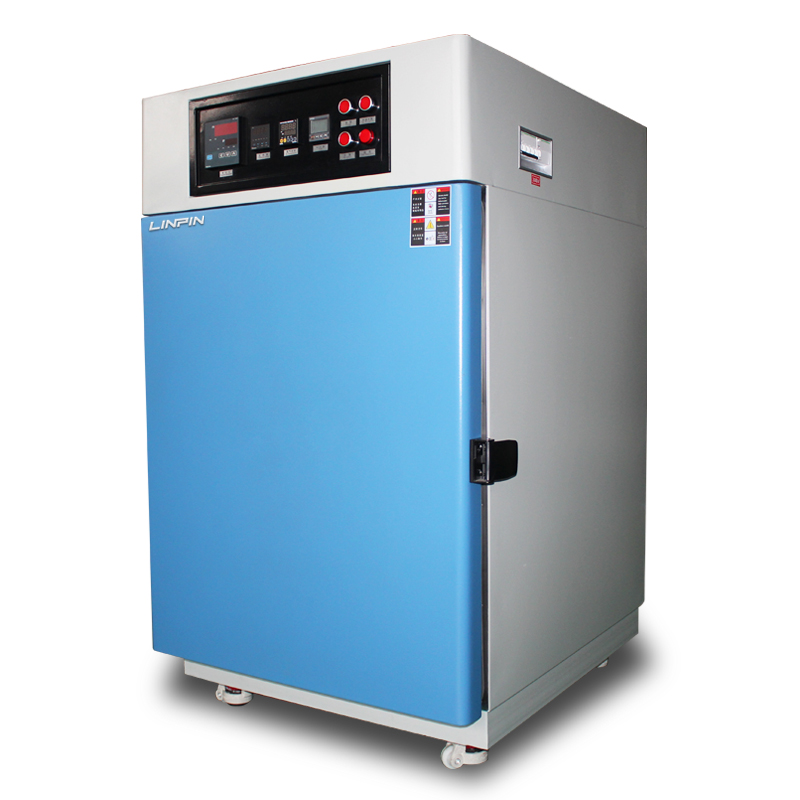
High-Low Temperature Test Chambers: Simulating Extreme Environments to Future-Proof Your Products
Author:LINPIN Update Time:2026-07-04 Source:LINPINIn today’s fiercely competitive global market, product reliability and durability are decisive factors for success. Whether in aerospace, automotive electronics, telecommunications, or consumer electronics, any failure caused by extreme temperature conditions can have serious consequences—customer complaints, brand damage, significant financial losses, or even safety hazards. How can you ensure your products perform reliably under severe heat and cold? The high-low temperature test chamber is the key to solving this critical challenge.
I. Precisely Simulating Extreme Environments to Replicate Real-World Conditions
The core value of a high-low temperature test chamber lies in its ability to accurately reproduce controllable temperature environments found on Earth—and beyond. From Arctic deep-freeze conditions of minus tens of degrees Celsius to persistent equatorial heat and rapid thermal shocks, advanced refrigeration and heating systems recreate these extremes within the laboratory. This enables R&D and quality teams to proactively identify potential issues—such as material aging, component failure, performance drift, or structural deformation—before products reach the market.
Compared to theoretical calculations or waiting for seasonal weather patterns, these test chambers offer highly accelerated and controllable testing conditions. They can simulate years' worth of temperature stress in just days or even hours, dramatically shortening development cycles and accelerating time-to-market.

II. Uncovering Hidden Risks to Enhance Product Quality
Using high-low temperature test chambers is not just a pass/fail checkpoint—it is an in-depth process of reliability verification and optimization. Through programmed temperature ramps and dwell times, engineers systematically observe how products respond to thermal expansion and contraction, how electronic circuits perform during cold starts, how heat dissipation behaves under high temperatures, and how long-term thermal fatigue affects lifespan.
This process reveals design flaws that may not be apparent in the early stages—for example, cracks at material interfaces due to mismatched expansion coefficients, lubricants solidifying in low temperatures, or battery thermal runaway risks under heat. Identifying and resolving these issues before mass production ensures critical quality refinement, directly enhancing product integrity, stability, and user satisfaction.
III. Demonstrating Corporate Commitment and Building Trust
Integrating high-low temperature test chambers into your product development and quality assurance system signals a strong commitment to quality. It reflects a rigorous adherence to international and national standards (e.g., ISO, GB, MIL) and demonstrates a mature reliability engineering capability. When clients or partners learn that your products have undergone such demanding environmental testing, their confidence in your brand grows significantly. Trust built on scientific data and strict validation is the most solid foundation for brand reputation.
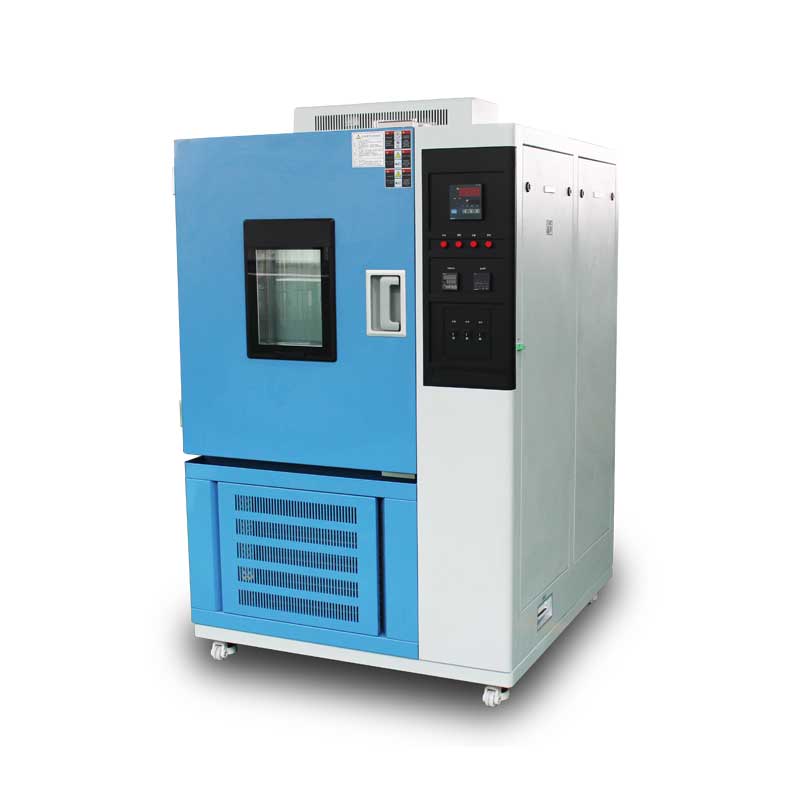
IV. Choosing the Right Partner to Maximize Testing Value
To fully realize the benefits of a high-low temperature test chamber, the equipment itself must deliver exceptional performance and long-term stability. Key attributes include precise temperature control, uniform thermal distribution, rapid temperature change rates, and dependable continuous operation. Equally important are user-friendly interfaces, comprehensive safety features, and professional technical support. Partnering with a technologically advanced and experienced manufacturer ensures data accuracy and comparability, providing a reliable basis for product decisions.
The high-low temperature test chamber is far more than a simple environmental simulator—it is a bridge between product design intent and real-world performance, and a strategic investment in reliability and risk mitigation. By proactively subjecting products to extreme conditions, companies are not just testing them—they are future-proofing them, ensuring every product delivered to market withstands the tests of time and environment. This is not only a testament to technical expertise but also a solemn commitment to customers.