Application Methods and Standards for Temperature & Humidity Chambers in Optical Lens Anti-Fogging Testing
Author:LINPIN Update Time:2026-06-18 Source:LINPINIn optical imaging—whether in high-end photography equipment, precision medical endoscopes, or autonomous vehicle vision systems—lens reliability directly determines overall device performance and service life. Among the most critical quality challenges is the ability of lenses to resist fogging (condensation) under extreme temperature fluctuations. Temperature and humidity test chambers serve as the core equipment for conducting these rigorous evaluations, providing a scientific and authoritative framework for optical lens reliability verification.
1. The Challenge: Why Are Optical Lenses Vulnerable to Fogging?
Optical lenses are not completely sealed entities. They contain minute amounts of internal air moisture, as well as water vapor absorbed by lens elements and barrel materials. When a lens is subjected to rapid temperature changes—for example, moving from a cold outdoor environment into a warm indoor space—if the lens lacks adequate sealing or material stability, internal moisture can reach its dew point and condense on the inner surfaces of the optics. This internal fogging not only degrades image clarity and introduces flare but can also promote fungal growth over time, leading to permanent optical damage.

2. The Solution: Precision Simulation and Testing with Temperature & Humidity Chambers
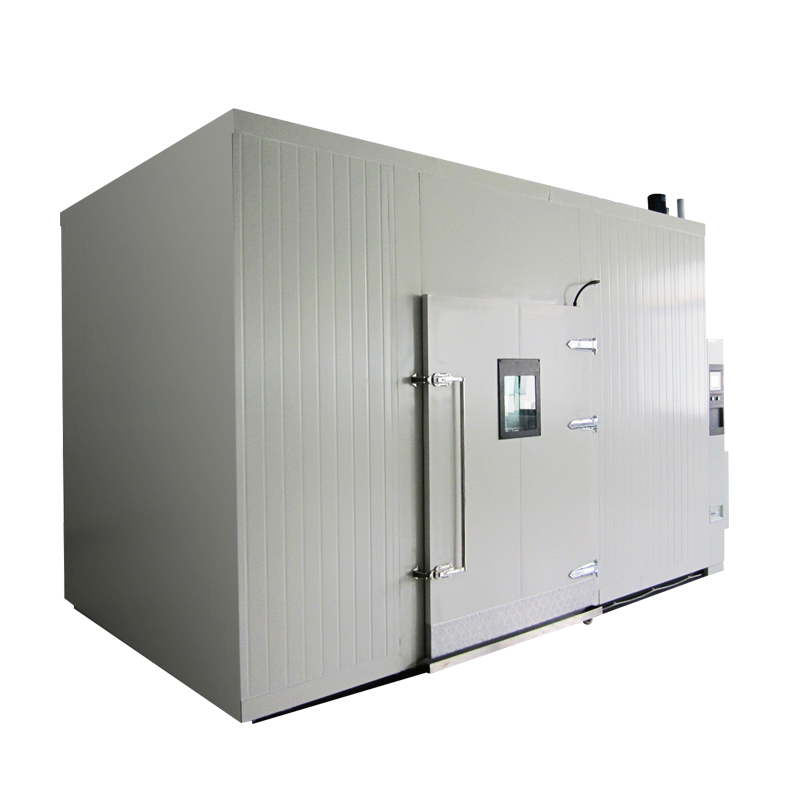
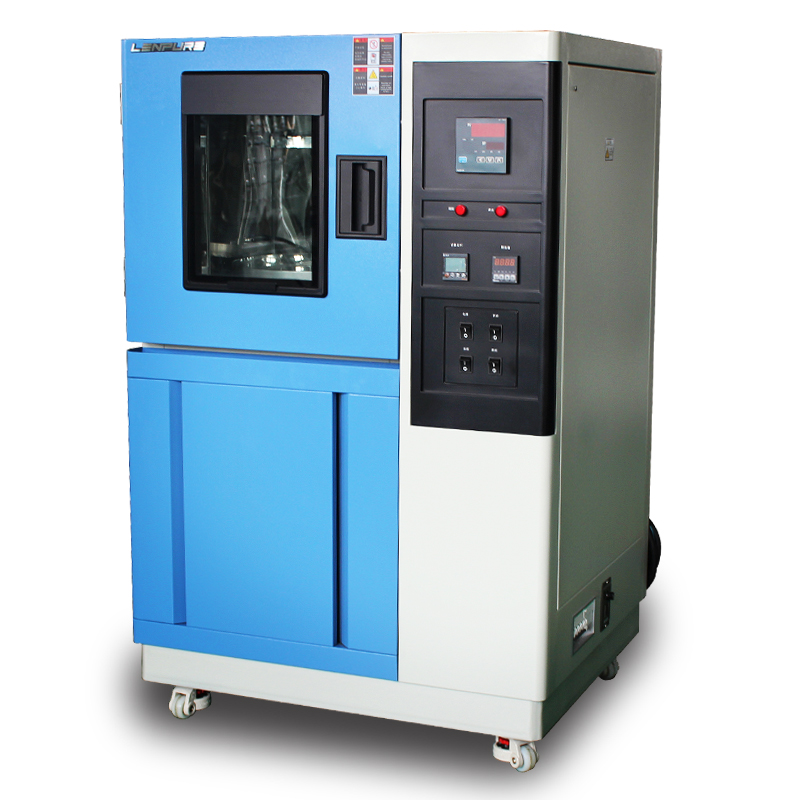
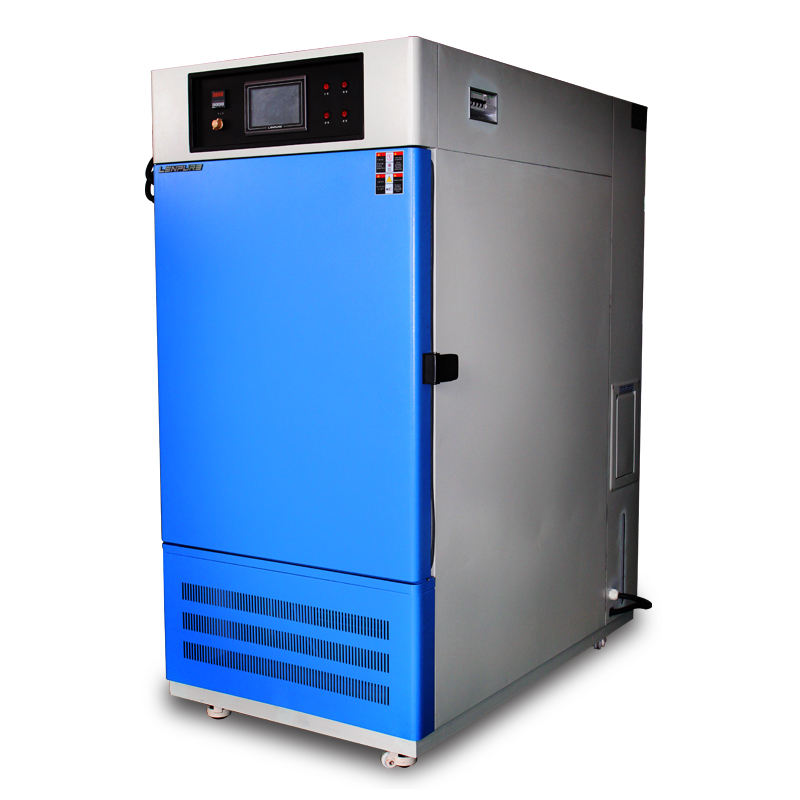
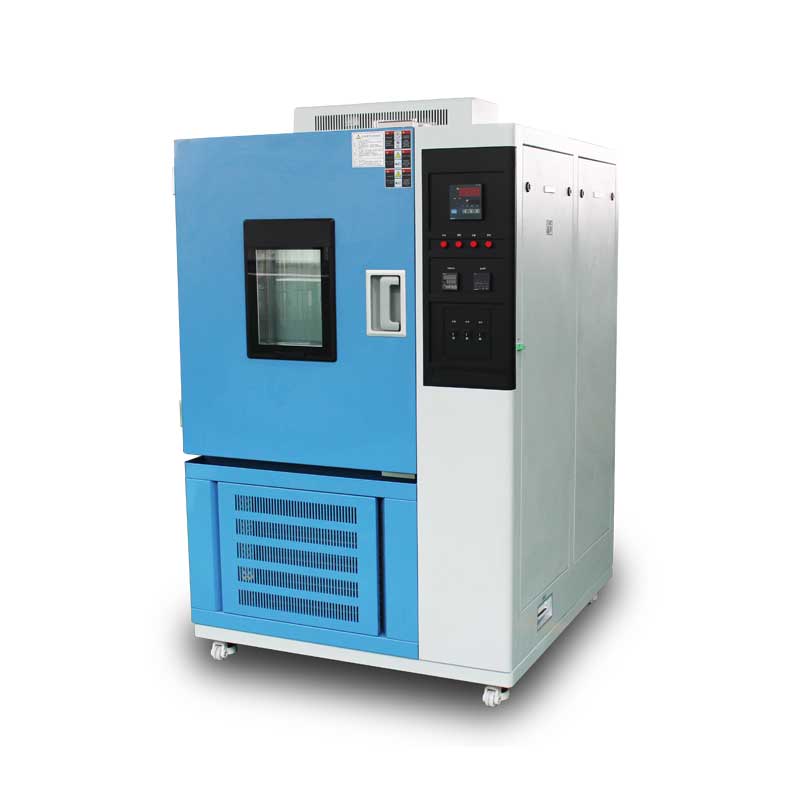
Temperature and humidity chambers provide precisely controlled thermal environments that accurately replicate the extreme temperature conditions lenses may encounter during actual use, storage, or transport. For anti-fogging testing of optical lenses, the core application methodology includes:
Rigorous Temperature Cycling: The chamber executes programmed profiles that subject lenses to rapid alternating transitions between high temperatures (e.g., +60°C and above) and low temperatures (e.g., -20°C and below). This cycling accelerates the simulation of thermal shock, testing the structural integrity of internal lens assemblies under expansion/contraction stresses, as well as the long-term effectiveness of sealing materials.
Precise Dew-Point Control and Monitoring: Advanced test protocols go beyond temperature alone—they also regulate or monitor chamber humidity levels. By defining specific temperature-humidity profiles, testing can be precisely tuned to reach the dew-point threshold of lens materials, actively provoking condensation to observe whether fogging occurs and under what conditions.
Objective Performance Evaluation: Immediately following test cycles (or at intermediate checkpoints), lenses undergo optical performance verification, including resolution testing, light transmittance measurement, and visual inspection. These evaluations objectively determine whether fogging, fungal growth, or any performance degradation has occurred.
3. Applicable Standards: Ensuring Scientific Rigor and Comparability
To ensure test results are credible and comparable across organizations, anti-fogging tests are typically conducted in strict accordance with established national and international standards, including:
National Standards (e.g., GB/T): The GB/T 12085 series (Optics and optical instruments – Environmental test methods) prescribes specific test conditions for high temperature, low temperature, and damp heat, among other environmental factors.
Military Standards (e.g., GJB): For defense-related or ruggedized optical applications, military-grade test specifications are often applied.
International Standards (e.g., ISO): Relevant ISO standards provide globally recognized frameworks for environmental testing of optical components.
Corporate Internal Standards: Leading optical manufacturers typically develop their own in-house test specifications that are even more stringent than national or international benchmarks, tailored to their specific product designs and application scenarios.
These standards define critical test parameters—including temperature change rates, dwell times, and cycle counts—ensuring that every lens subjected to testing has passed through an equally rigorous and repeatable quality verification process.
4. Value Proposition: Core Benefits to Customers
Integrating temperature-cycling fogging tests into the product quality control system delivers substantial business and engineering benefits:
Enhanced Product Reliability: Identifying and eliminating environmental vulnerabilities at the manufacturing stage drastically reduces field failure rates, warranty claims, and after-sales service costs.
Strengthened Brand Reputation: Ensuring that end users experience stable, clear optical performance across all climatic conditions builds lasting market trust and differentiates products in competitive segments.
Accelerated R&D Cycles: Early-stage testing rapidly uncovers design weaknesses, providing critical data to improve sealing processes, select appropriate materials, and validate engineering changes—ultimately shortening time-to-market for new products.
The temperature and humidity chamber has evolved far beyond a simple thermal control device. It now serves as an indispensable quality-assurance partner for optical manufacturers committed to safeguarding product competitiveness. By subjecting lenses to simulated extreme thermal stresses, it acts as a rigorous "gatekeeper," ensuring that every optical lens leaving the factory can withstand real-world temperature variations and deliver consistently clear imagery over its entire service life. Partnering with suppliers equipped with advanced temperature-cycling test capabilities is a strategic investment in product quality that stands the test of time and environment.