Ozone Aging Test Chambers in Skincare Stability Testing
Author:LINPIN Update Time:2026-11-19 Source:LINPINIn the skincare industry, product stability and safety are the cornerstones of any brand's success. Consumers expect every bottle of serum and every jar of cream to maintain its claimed color, texture, scent, and active efficacy throughout the period after opening. Yet from the production line to the consumer's hands—and all the way through to the last use—skincare products face a continuous onslaught of environmental stressors. Among these, ozone (O₃) oxidation is a frequently overlooked yet far-reaching factor.
Why Does Ozone Matter for Skincare?
Ozone is a powerful atmospheric oxidant. During everyday storage and use, skincare products—especially those containing oils, vitamin C, retinol, and other active ingredients—can readily undergo oxidation reactions when exposed to ozone-containing environments. This can lead not only to discoloration, off-odors, and texture separation, but also to the degradation of key active ingredients, significantly diminishing product performance and potentially generating substances that are undesirable for the skin.
Simulating and evaluating a skincare product's tolerance to ozone has therefore become an indispensable and rigorous part of product development and quality control.
Ozone Aging Test Chambers: Simulating Extreme Conditions, Predicting Product Futures
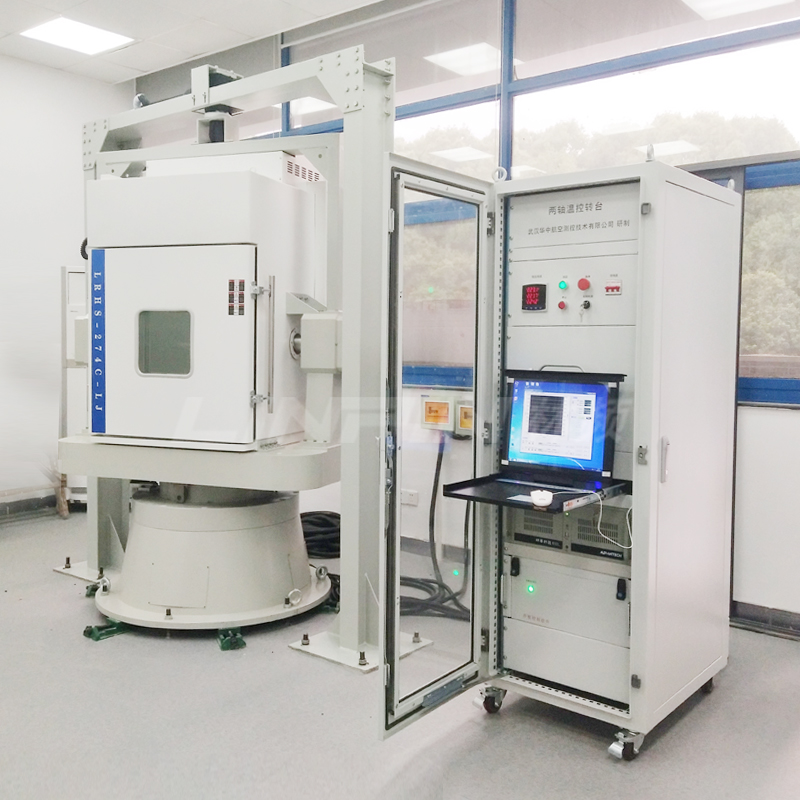
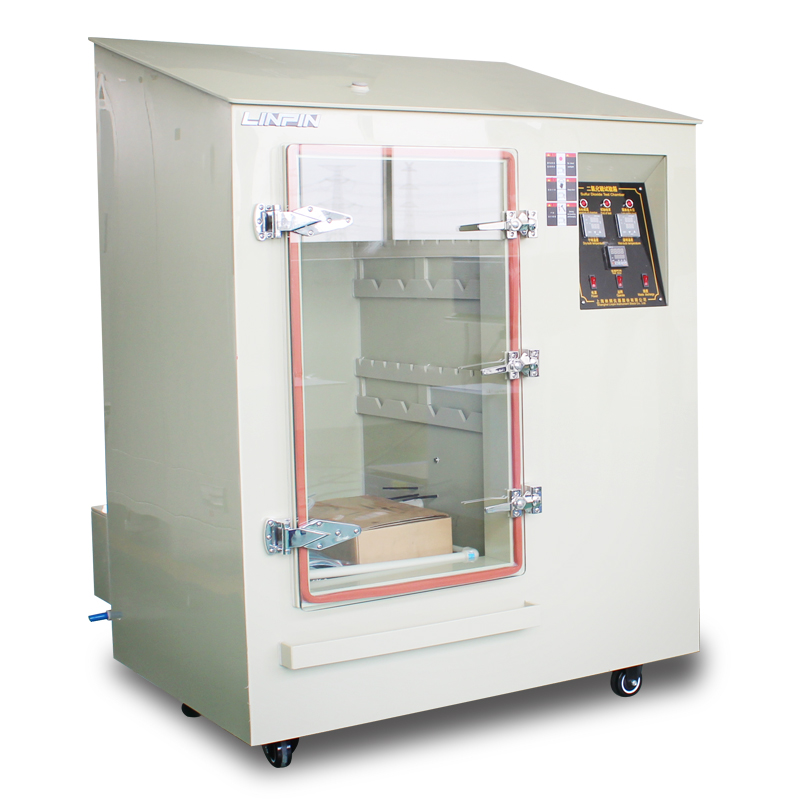
Ozone aging test chambers are precision instruments built for exactly this purpose. They are far more than simple "aging" machines—they are scientific research platforms capable of precisely controlling ozone concentration, temperature, humidity, and other parameters. Their core value lies in accelerating, under controlled laboratory conditions, the effects of ozone exposure that a product might experience over months or even years in the real world.
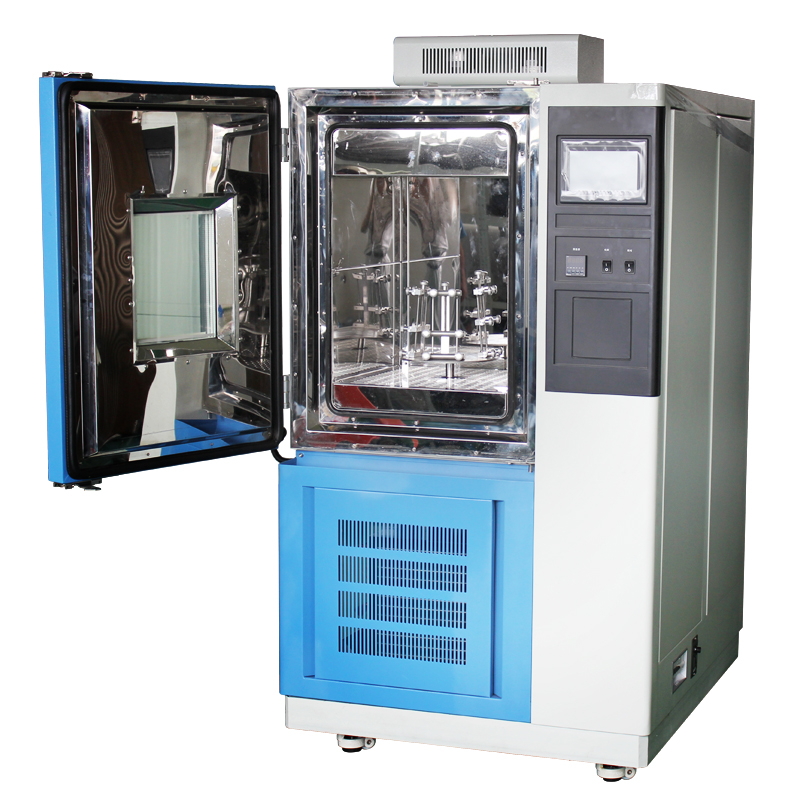
Through this testing, R&D engineers and quality assurance professionals can:
-
Rigorously assess formula stability: Rapidly identify oxidation-prone ingredients, optimize ingredient combinations and antioxidant systems, and improve inherent product stability at the source.
-
Predict product shelf life: Use accelerated aging data to scientifically estimate a product's shelf life under normal storage conditions, providing solid data to support Period After Opening (PAO) labeling.
-
Verify packaging protection performance: Test the sealing and barrier properties of packaging materials (bottles, pumps, inner containers) to ensure they effectively protect contents from external ozone attack.
-
Protect brand reputation and consumer safety: Minimize the risk of oxidation-related consumer complaints before products hit the market, safeguard the brand's professional image, and give consumers peace of mind.
Choosing Professional Testing Services Is a Commitment to Quality
A laboratory equipped with advanced ozone aging test chambers and operating in strict accordance with international standards (such as ASTM and ISO) reflects a brand's relentless pursuit of product quality and its rigorous, responsible approach. It sends a clear message of capability: we care not only about a product's immediate feel and results, but also about ensuring it remains safe, stable, and effective at every moment of its lifecycle.
For skincare brands committed to building lasting reputations, investing in rigorous stability evaluations such as ozone aging testing is not an extra cost—it is a strategic move to build a brand moat and earn long-term market trust. Behind it lies respect for scientific principles and a fulfilled promise to consumers.
In today's increasingly crowded skincare market, true differentiation often comes from these invisible details and rigorous behind-the-scenes scientific validation. What the ozone aging test chamber represents is a weighty certificate of quality assurance. It turns product stability from a theoretical claim into a quantifiable, verifiable scientific fact—ultimately delivering products that stand the test of time and consumers' unwavering trust.