Is a Rain Test Chamber Considered Environmental Reliability Test Equipment?
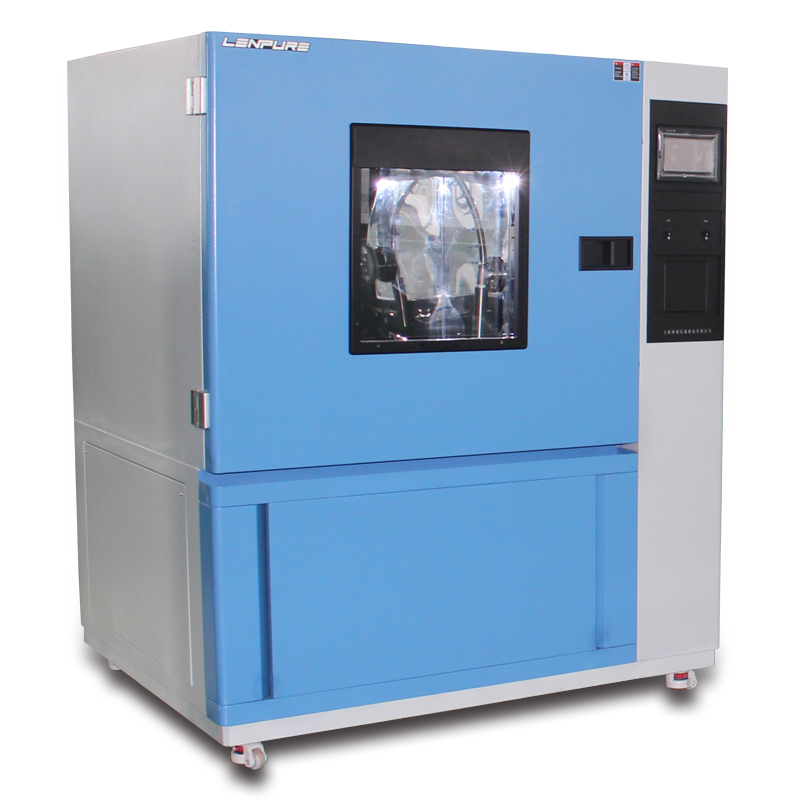
Author:LINPIN Update Time:2026-05-16 Source:LINPINIn industries such as manufacturing, automotive, electronics, and defense, a product’s environmental adaptability directly impacts its service life and safety. The rain test chamber – a specialized device designed to simulate rainfall, spray, and other water exposure conditions – is indeed classified as environmental reliability test equipment. More than just a useful tool, it is essential for validating a product’s water resistance and enhancing its overall reliability.
The Core Value of Environmental Reliability Testing
Environmental reliability testing evaluates a product’s ability to withstand specific environmental conditions, including temperature, humidity, vibration, corrosion, and water ingress. The rain test chamber focuses on simulating scenarios such as rain, spray, and immersion – directly assessing a product’s sealing, protection rating (e.g., IP codes), and stability in outdoor applications. By accurately replicating real-world conditions, the chamber helps manufacturers identify design flaws early, reducing quality risks caused by water leakage or short circuits.
Technical Authority of Rain Test Chambers
Modern rain test chambers strictly comply with international standards such as IEC 60529 and GB 4208. They offer customizable test conditions, including varying rainfall intensities, spray angles, and even high-temperature, high-pressure water exposure. With precise control systems that regulate water pressure, flow rate, and test duration, these chambers ensure repeatable and comparable results. Whether testing automotive headlights in heavy rain or evaluating outdoor enclosures for long-term water resistance, the data generated serves as a solid foundation for product improvement.
Empowering Innovation Across Industries
From waterproof verification of electric vehicle battery packs to moisture protection design in smart home devices, the applications of rain test chambers continue to expand. They serve not only as gatekeepers in quality control but also as forward-looking tools in the R&D phase. By integrating rain testing early in development, companies can significantly reduce after-sales service costs and enhance brand reputation. Moreover, for demanding industries such as aerospace and marine equipment, custom rain test solutions demonstrate the flexibility and expertise of these systems.
What to Look for in a High-Quality Rain Test Chamber
A superior rain test chamber features a stable water circulation system, corrosion-resistant materials, and intelligent monitoring capabilities. Trusted suppliers bring proven experience and continuous technical improvement, offering full-cycle support – from test plan design to equipment maintenance. Only when precision, reliability, and efficiency are embedded in the equipment’s DNA can manufacturers truly ensure their products remain “water-tight” in changing environments.
The value of a rain test chamber extends far beyond that of a single-function device; it plays a pivotal role within the broader framework of environmental reliability testing. By adhering to global standards and focusing on technical excellence, rain test chambers help “Made in China” products build a solid foundation of quality in an increasingly competitive global market.