From -70°C to +150°C: High-Low Temperature Test Chambers Put Product Endurance to the Test
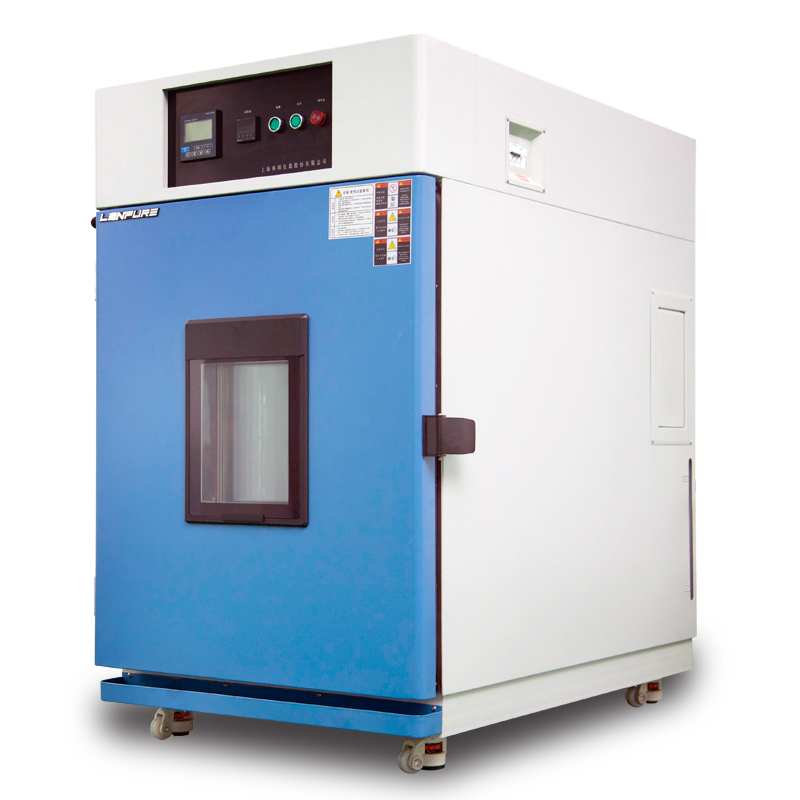
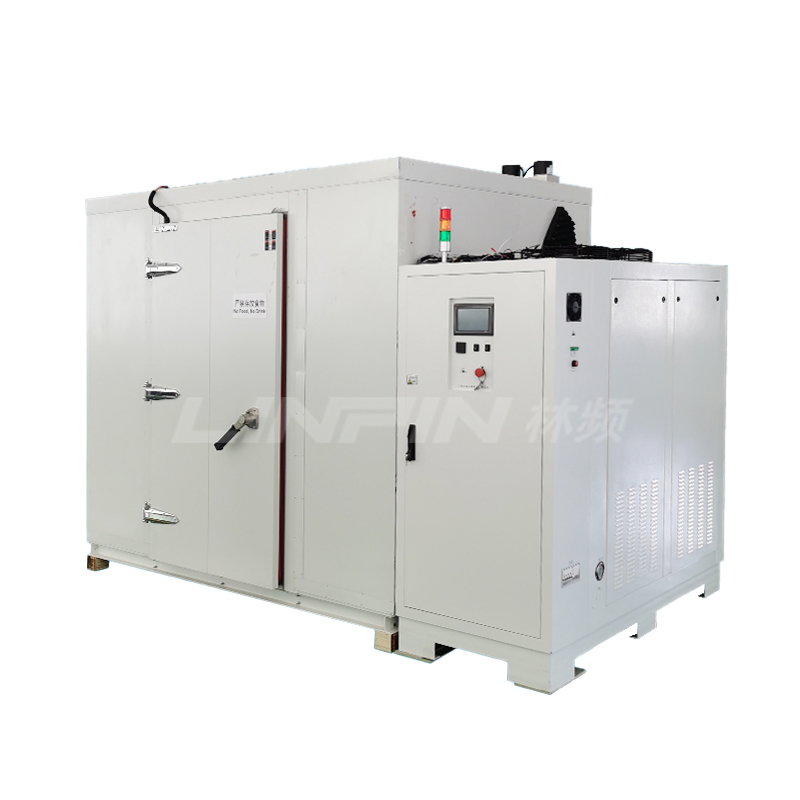
Author:LINPIN Update Time:2026-10-22 Source:LINPINIn today's highly competitive market, product quality is the cornerstone of a company's survival and growth. Whether in aerospace, automotive electronics, communications equipment, or everyday consumer goods, reliability must be validated under demanding environmental conditions. The high-low temperature test chamber, as a key instrument for simulating extreme temperature conditions, offers a wide testing range from -70°C to +150°C to ensure that products can withstand the challenges of harsh climates in real-world applications.
Why is such a broad temperature range necessary?
Product operating environments vary enormously. In the harsh Nordic winter, temperatures can plummet below -40°C; in equatorial summer heat, the surface temperature of in-vehicle or outdoor equipment can exceed 80°C. For military, aerospace, and high-end industrial products, temperature conditions can be even more extreme. Without adequate temperature adaptability testing, products may suffer material embrittlement, component failure, or performance degradation—problems that range from a poor user experience to serious safety hazards.
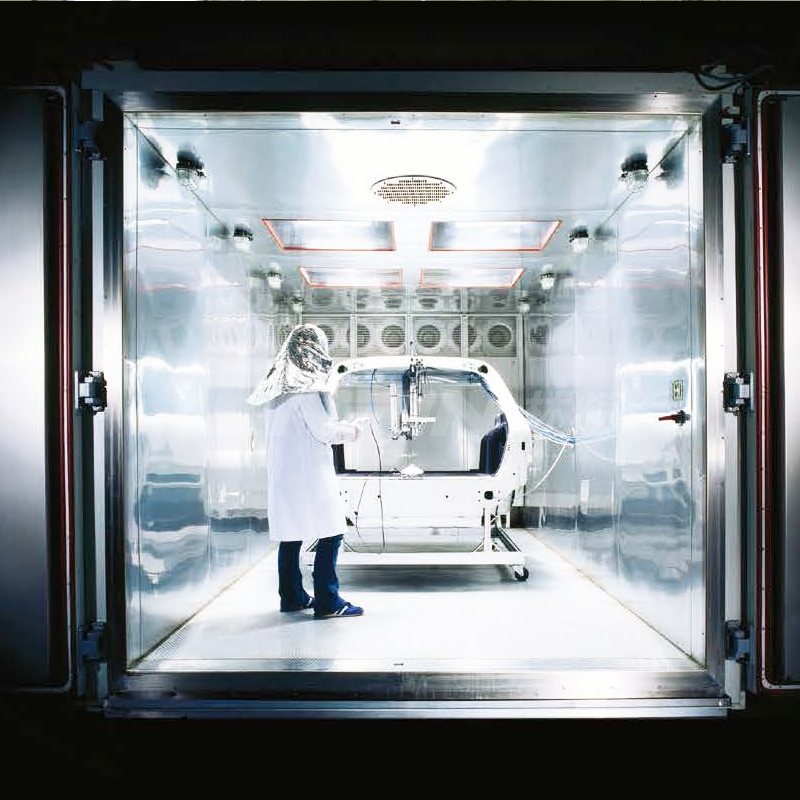
High-low temperature test chambers precisely control internal temperature to simulate these extreme conditions, enabling companies to identify and resolve potential issues during the R&D phase. From deep-freeze conditions at -70°C to high heat at +150°C, this broad testing range covers the operational limits of the vast majority of industrial products, ensuring comprehensive and authoritative testing.
Core technologies ensure precise, reliable testing
An excellent high-low temperature test chamber relies on advanced technical support. At its core is the precision and stability of the temperature control system. Imported compressors and high-performance heaters, combined with intelligent PID control algorithms, enable rapid temperature ramping and long-term stable operation. The interior walls are typically made of high-quality stainless steel, offering heat resistance, corrosion resistance, and easy cleaning while ensuring the test environment remains uncontaminated.
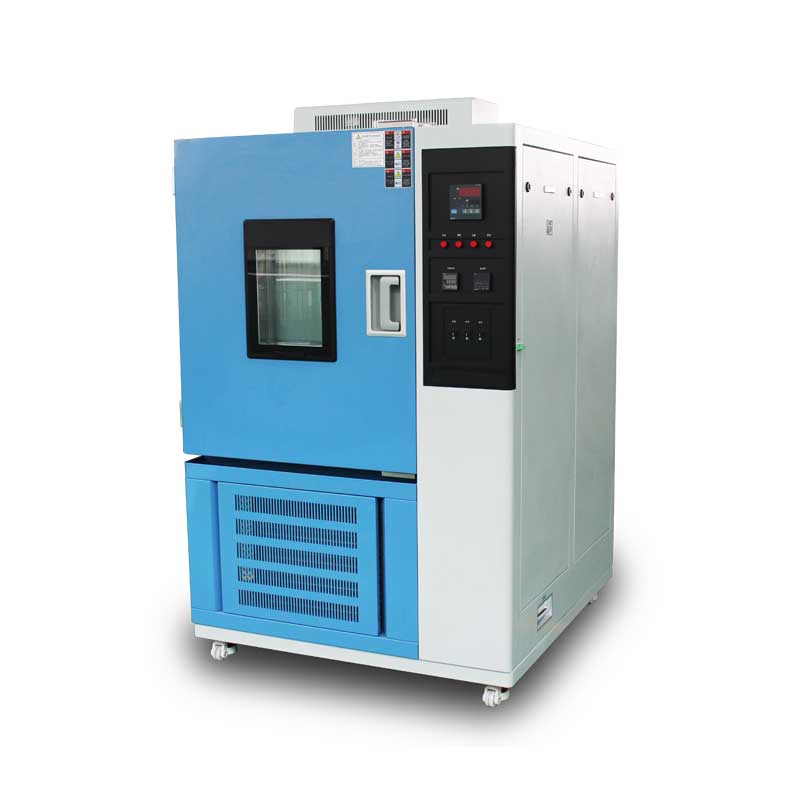
In addition, modern high-low temperature test chambers feature multiple safety protections—such as over-temperature protection, leakage protection, and compressor overload protection—effectively safeguarding both the equipment and the test samples. Data logging and remote monitoring capabilities provide companies with complete testing records for subsequent analysis and quality traceability.
Practical value for businesses
Improved product reliability: By simulating extreme temperature environments, companies can verify product performance under limit conditions, identify design flaws early, and optimize designs to enhance overall reliability.
Shorter development cycles: Simulating various temperature conditions in the lab is more efficient and cost-effective than field testing. Companies can rapidly iterate on product designs and accelerate time to market.
Compliance with industry standards: Many industries have explicit requirements for product operating temperature ranges. Testing with high-low temperature test chambers helps companies meet relevant international and domestic standards, strengthening market competitiveness.
Reduced after-sales risk: Products that have undergone thorough testing exhibit significantly lower failure rates in actual use, reducing after-sales repair costs and enhancing brand reputation.
From -70°C to +150°C is more than just a temperature range—it is a rigorous test of product quality. As an essential tool for reliability testing, the high-low temperature test chamber provides companies with a scientific and efficient means of verification, helping them create outstanding products that stand up to the test of time and environment. Choosing a high-performance high-low temperature test chamber is like taking out a solid insurance policy on product quality.